oluwatosin oyeniyi
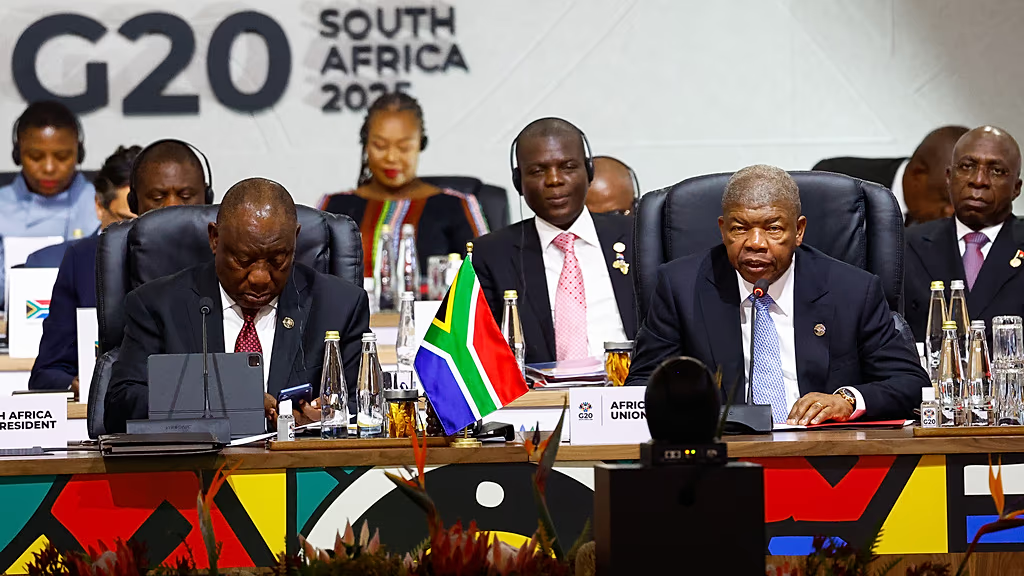
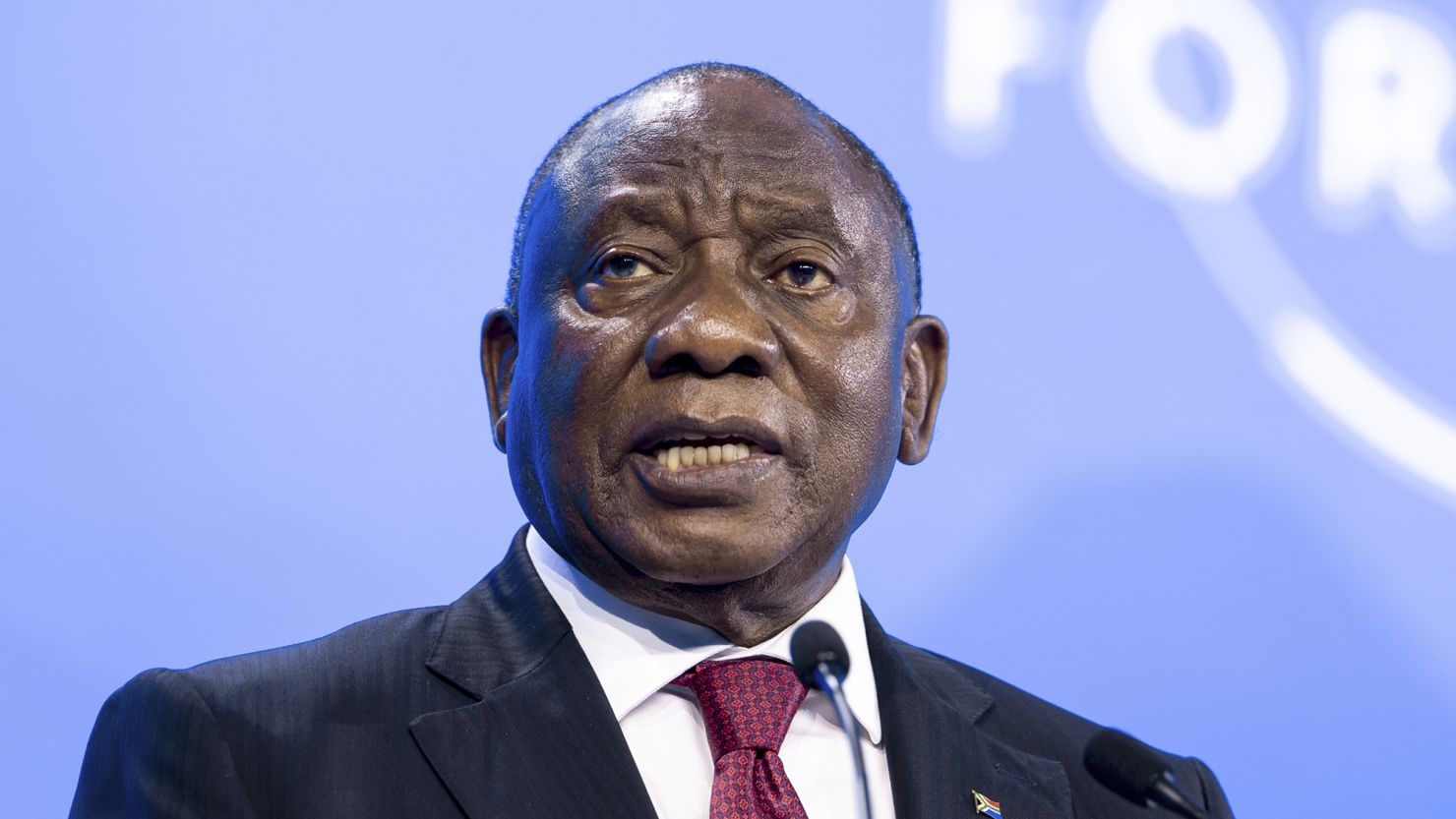
 CAPE TOWN – South Africa finds itself grappling with yet another devastating climate-induced crisis, as President Cyril Ramaphosa declared a National State of Disaster this morning following severe weather that has claimed at least 10 lives. The Western Cape, particularly Cape Town, bears the brunt of an Orange Level 8 warning, with torrential rains, severe flooding, and gale-force winds exceeding 80 km/h wreaking havoc. This latest calamity not only underscores the escalating threat of climate change but also starkly exposes the deep socio-economic vulnerabilities and infrastructure deficits that plague the nation, particularly within its sprawling informal settlements.
The Immediate Aftermath: A Nation Under Water and Wind
The declaration of a National State of Disaster on May 11, 2026, by President Ramaphosa came in response to a week of relentless severe weather that commenced around May 4. The impact has been widespread, affecting six of South Africa’s provinces: the Western Cape, Eastern Cape, Northern Cape, North West, Free State, and Mpumalanga. However, the Western Cape has been particularly hard-hit, with the South African Weather Service (SAWS) maintaining an Orange Level 8 warning for disruptive rainfall and gale-force winds through May 12.
The human toll is already tragic, with at least 10 lives lost to the extreme weather. The physical damage is extensive: over 5,600 people have been affected, and 1,655 dwellings, predominantly in informal settlements, have been damaged or destroyed. Critical infrastructure has also been severely impacted. Operations at Cape Town International Airport have faced major delays, and the U.S. Consulate in Cape Town was forced to suspend its services, highlighting the disruption to both local and international activities. Road closures and widespread power outages have further paralyzed affected regions, isolating communities and hindering emergency response efforts.
In response, the National Disaster Management Centre (NDMC) has taken the lead in coordinating relief efforts, a move that shifts primary responsibility to the national government. This coordination involves collaboration with civil society organizations, such as the Gift of the Givers, which have been instrumental in providing immediate aid, including food parcels, blankets, and emergency housing to thousands of displaced residents [3]. The government has outlined a commitment to implementing a “multisectoral prevention, mitigation, relief, and rehabilitation plan,” a crucial step in addressing the immediate and long-term consequences of the disaster.
Exacerbating Inequality: The Plight of Informal Settlements
The recurring nature of these climate disasters disproportionately impacts South Africa’s most vulnerable populations, particularly those residing in informal settlements. These communities, often situated in low-lying, flood-prone areas with inadequate drainage systems and constructed from fragile materials, are on the frontline of climate change impacts. For families living in these precarious conditions, the loss of a dwelling and personal belongings represents not just a setback, but often a complete obliteration of their meager assets, with little to no access to insurance or formal safety nets.
Beyond the immediate physical destruction, the economic repercussions for these communities are profound. Flooding often prevents residents from reaching their workplaces, particularly those engaged in the informal economy, leading to an immediate and devastating loss of daily wages. This cycle of destruction and economic disruption traps vulnerable households in a perpetual state of precarity, making upward mobility an increasingly distant dream.
The Economic and Infrastructure Burden
The economic cost of these recurring climate disasters to South Africa is staggering and continues to mount. The 2022 KwaZulu-Natal (KZN) floods, for instance, were estimated to have cost the economy approximately R36 billion. While the full economic impact of the current Western Cape disaster is still being assessed, it is clear that the damage to roads, power grids, and public buildings will necessitate significant financial outlays for rehabilitation and reconstruction.
The disruption extends beyond direct damage. The suspension of operations at major transport hubs like Cape Town International Airport has ripple effects across the economy, impacting tourism, trade, and logistics. Such disruptions undermine investor confidence and hinder economic growth, particularly in a country already facing significant economic challenges. The fiscal strain on the national budget is also considerable; while a National State of Disaster allows for the redirection of funds, this often comes at the expense of other critical developmental projects, creating a “disaster-recovery trap” where resources are constantly diverted to emergency response rather than long-term development.
The Climate Resilience Gap: A Call for Urgent Action
South Africa’s infrastructure, much of which was designed for historical weather patterns, is proving increasingly inadequate in the face of escalating climate change. The growing frequency and intensity of “Level 8” weather events highlight a significant gap between current infrastructure standards and the realities of a changing climate. While South Africa has a National Climate Change Adaptation Strategy, the implementation and funding for resilient infrastructure remain a major hurdle.
The effectiveness of the government’s response, coordinated by the NDMC, is a critical test of its disaster management capacity and political accountability. Effective inter-governmental coordination across national, provincial, and municipal levels has historically been a weak point in South Africa’s disaster response, and the current crisis underscores the urgent need for seamless collaboration. Without robust, climate-resilient infrastructure and effective governance mechanisms, South Africa risks being caught in a continuous cycle of disaster and recovery, with its most vulnerable citizens bearing the heaviest burden.
A Looming Challenge
The National State of Disaster in South Africa is more than just a weather event; it is a stark reminder of the profound challenges posed by climate change and the deep-seated socio-economic inequalities that amplify its impact. While immediate relief efforts are crucial, the long-term solution demands a fundamental rethinking of urban planning, infrastructure development, and climate adaptation strategies. South Africa must urgently invest in resilient infrastructure, strengthen its disaster management capabilities, and, most importantly, address the systemic vulnerabilities that leave millions exposed to the devastating consequences of a rapidly changing climate. The future stability and prosperity of the nation hinge on its ability to adapt and build a more equitable and resilient society in the face of an increasingly volatile environment.