oluwatosin oyeniyi
 The hosting of Kenya’s 63rd Madaraka Day celebrations at the newly upgraded Wajir Stadium this morning was a calculated operational departure from state tradition. For the first time since Kenya attained internal self-rule in 1963, the national fete was staged in the country’s northeastern frontier—a region historically viewed by the political center as a remote periphery. Taking the podium before thousands of residents and regional dignitaries, President William Ruto delivered a highly emotional, unprecedented address, breaking from standard celebratory rhetoric to offer a formal, state-backed apology to the people of Northern Kenya for decades of institutionalized exclusion, systemic profiling, and state-sanctioned economic underdevelopment.
“On behalf of the people and the Republic of Kenya, I offer my sincere apology for the marginalization you have endured over the years,” President Ruto declared, visibly moved by the historical weight of the moment.“Poleni sana ndugu zetu. It was never meant to be this way.” By directly naming past governance failures, the executive branch initiated a monumental ideological shift, challenging the legacy of administrative bias that has long fractured the nation’s social contract.
The Legacy of Sessional Paper No. 10
To understand the structural significance of Ruto’s apology, one must look back to the foundational blueprint of post-independence economic planning: Sessional Paper No. 10 of 1965. Authored by the founding administration, this legislative policy directed the bulk of public investment and infrastructure development exclusively toward areas deemed to possess “high economic potential”, predominantly the agricultural and central highlands.
Conversely, the vast pastoralist terrains of the former Northern Frontier District were classified as arid, non-viable zones undeserving of state capital. This deliberate policy architecture resulted in generations of severe underdevelopment. For over half a century, communities across Garissa, Wajir, Mandera, Marsabit, and Isiolo were left with practically non-existent tarmac networks, isolated healthcare systems, and underfunded schools, fostering deep-seated narratives of alienation. By explicitly condemning Sessional Paper No. 10 on Wajir soil, Ruto fundamentally delegitimized the historical justification for regional economic disparity.
The Structural Core of the Madaraka Day Declarations
- The State Apology: A formal acknowledgement of the multi-generational suffering caused by deliberate policy exclusion.
- The Institutional Renaming: Rebranding the host facility to the Ahmed Khalif Wajir Stadium, honoring the late progressive Member of Parliament and Cabinet Minister.
- The Affirmative Integration: The formal employment of 1,800 local teachers to stabilize the region’s disrupted basic education sector.
Dismantling the “Extra Vetting” Bureaucracy
Beyond the symbolic resonance of the apology, the President fiercely defended his administration’s regulatory overhaul regarding citizenship identification. For decades, genuine Kenyan citizens belonging to pastoralist, border, and ethnic Somali communities were subjected to a discriminatory “extra vetting” process when applying for national identity cards. While a youth in Nairobi could secure an ID via standard registration, a youth in Wajir was routinely forced to appear before parallel state vetting committees, treated as a perpetual national security suspect or an illegal alien.
President Ruto directly confronted critics who argued that dismantling these parallel committees would compromise national security in a region highly vulnerable to cross-border militancy. “We did not abolish verification of citizenship; we abolished discrimination,” the President countered. He asserted that targeting entire populations based on their place of birth or ethnicity damages state intelligence collection by alienating the very communities required to police local borders. Without a national ID, generations of northern youth were effectively blocked from formal employment, financial services, and higher education—a systemic exclusion that inadvertently fed regional instability.
Rising Domestic Heat and the IPOA Warning
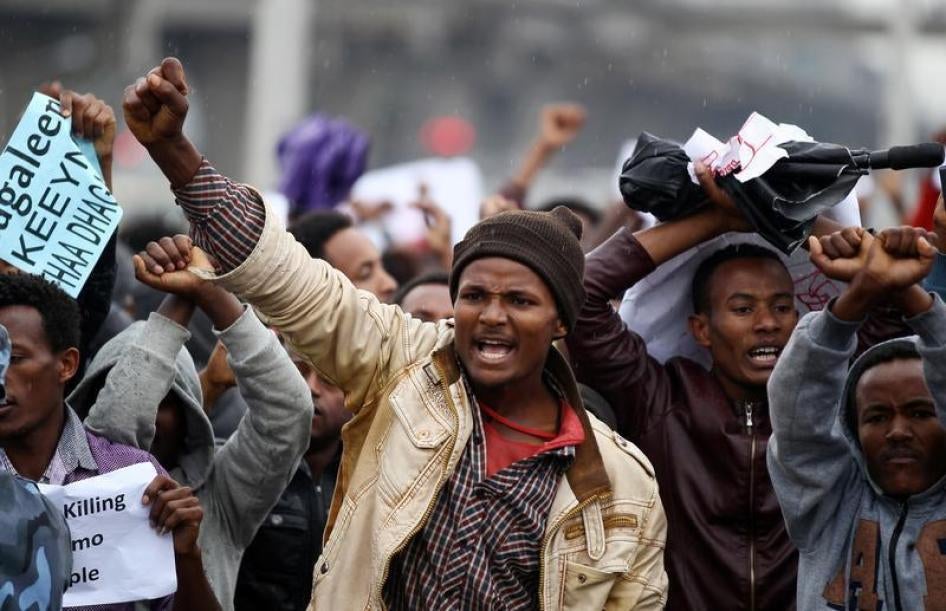
However, the historic steps taken in Wajir occurred against a backdrop of escalating political tension back in Nairobi and other major urban centers. Concurrent with the Madaraka Day celebrations, the Independent Policing Oversight Authority (IPOA) issued a stern, urgent public warning regarding a worrying uptick in violence during recent political protests across the country.
The IPOA’s alert highlighted a dangerous dual trend: the increasing deployment of excessive, lethal force by police units handling public demonstrations, matched by the strategic infiltration of peaceful protests by organized criminal elements intent on property destruction and looting. This internal friction presents an acute paradox for the current administration. While the executive branch is actively working to dismantle historical state injustices on the northern frontier, it is simultaneously grappling with contemporary allegations of heavy-handedness in managing dissent within its major cities, threatening to undermine its broader democratic messaging.
Actionable Policy Pathways for Complete Reintegration
To ensure that the landmark apology in Wajir transitions from a highly successful public relations exercise into a sustainable model of regional equity, the state must implement several definitive policy shifts:
- Legislative Replacement of Sessional Paper No. 10: Parliament must draft and enact a comprehensive “Equalization and Spatial Integration Bill.” This law should mandate a fixed percentage of national infrastructural budgets for historically marginalized counties, moving beyond temporary affirmative action funds.
- Digitization of Border Region Registration: The Ministry of Interior must deploy biometric mobile registration units across pastoralist corridors, ensuring that the removal of discriminatory vetting is backed by modern, secure civil registration infrastructure that prevents forgery while respecting local heritage.
- Implementing IPOA Recommendations on De-escalation: The Inspector General of Police must immediately adopt the tactical recommendations issued by the IPOA. This includes mandatory body-worn cameras for anti-riot units and the immediate suspension of commanders found utilizing unlawful force against civilian demonstrators.
The Price of a Unified Nation
The 2026 Madaraka Day fete will be remembered as a structural milestone in Kenya’s nation-building project.By bringing the full apparatus of the state to Wajir Stadium, the government proved that sovereignty belongs equally to all frontiers. However, a state apology is not an ending; it is a binding contract.
The true test of Ruto’s declaration will be measured in the budgetary allocations of the coming fiscal cycles. If the state can successfully match its deep emotional rhetoric with the hard realities of tarred roads, stable electrical grids, and non-discriminatory identity rights, it will finally undo the legacy of Sessional Paper No. 10. In the modern African landscape, a strong nation does not secure its borders through suspicion and isolation; it secures them by making every citizen, regardless of their geography, feel an equal ownership in the national collective.