oluwatosin oyeniyi
 Huruma protests Nairobi have erupted into violent demonstrations following the shooting of a 4-year-old boy by a stray bullet during a police operation, igniting widespread anger across the densely populated neighborhoods of Huruma and Mathare. What began as a localized tragedy has rapidly escalated into a broader confrontation between residents and security forces, exposing deep-rooted tensions over policing, accountability, and urban marginalization in Nairobi.
According to eyewitness accounts and local community leaders, the child was struck during what authorities described as an ongoing security operation targeting suspected criminal activity. Residents, however, contest the official narrative, alleging that the officers involved were not in uniform and operated without clear identification, raising fears of rogue enforcement practices.
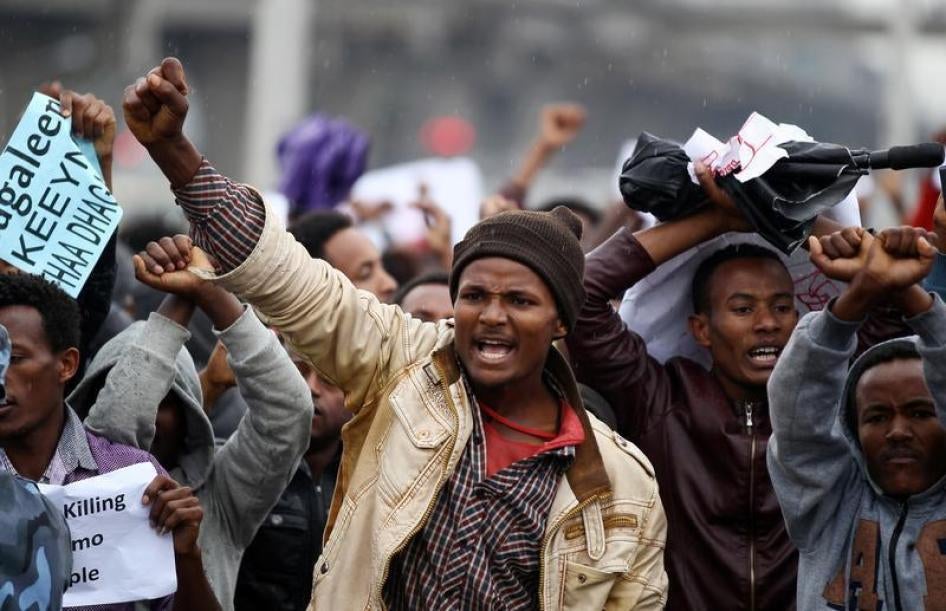
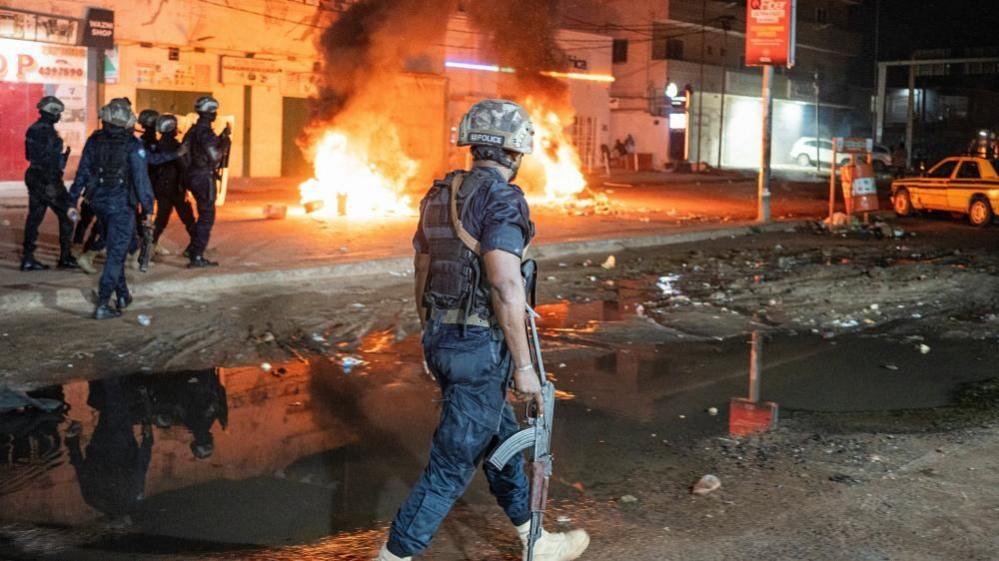
Within hours of the incident, protests erupted across Huruma and neighboring Mathare—two informal settlements long associated with strained relations between civilians and law enforcement. Demonstrators blocked key access roads, lit fires, and engaged in confrontations with police units deployed to restore order. The unrest has since paralyzed movement in parts of eastern Nairobi, with businesses shuttered and public transport disrupted.
The shooting has intensified scrutiny of policing methods in Kenya, particularly in low-income urban communities where security operations are often aggressive and loosely regulated. Residents accuse authorities of excessive force and a pattern of impunity, arguing that similar incidents in the past have rarely resulted in meaningful accountability.
Human rights advocates note that the use of live ammunition in civilian areas , especially during operations lacking transparency reflects systemic weaknesses in oversight. The allegation that officers were not in uniform further complicates the situation, blurring the line between formal policing and unregulated enforcement.
Huruma and Mathare are no strangers to unrest. Both areas have historically been flashpoints for protests linked to economic hardship, electoral disputes, and police brutality. The current crisis taps into a long-standing narrative of neglect and mistrust, where residents feel both over-policed and under-protected.
For many young people in these communities, encounters with security forces are shaped by a perception of collective suspicion rather than individual accountability. This dynamic has fostered a volatile environment where isolated incidents can quickly escalate into large-scale unrest.
Authorities have yet to release a comprehensive statement detailing the circumstances of the shooting, but additional security personnel have been deployed to contain the protests. Calls are mounting from civil society organizations for an independent investigation into the incident, with demands for the identification and prosecution of those responsible.
The Kenyan government now faces a dual challenge: restoring order without further inflaming tensions, and addressing the underlying grievances that fuel recurrent clashes between citizens and the state.
The Huruma protests Nairobi crisis reflects a deeper structural issue within Kenya’s urban governance framework. Rapid population growth in informal settlements has not been matched by proportional investment in social services, infrastructure, or community policing models. As a result, security interventions often take on a reactive, force-driven approach rather than a preventative, trust-based strategy.
This incident also underscores the fragile social contract between the state and its citizens. When law enforcement is perceived as a source of danger rather than protection, public trust erodes, and the legitimacy of state authority is called into question.
Addressing the crisis will require more than immediate crowd control. Experts point to several critical steps:
• Transparent Investigation: Establishing an independent inquiry to determine the facts of the shooting and ensure accountability.
• Policing Reform: Strengthening oversight mechanisms, enforcing identification protocols, and limiting the use of lethal force in civilian areas.
• Community Engagement: Building trust through dialogue with local leaders and residents to reduce hostility and improve cooperation.
• Urban Investment: Expanding social and economic opportunities in informal settlements to address the root causes of unrest.
As night falls over Nairobi, tensions remain high, with sporadic clashes continuing in affected neighborhoods. The fate of the injured child and the outcome of the government’s response will likely shape the trajectory of the protests in the days ahead.
For now, Huruma stands as a stark reminder that in rapidly growing African cities, the balance between security and justice remains delicate. When that balance is disrupted, the consequences are felt not just in one neighborhood, but across the entire urban fabric