oluwatosin oyeniyi
 Ethiopia is currently navigating a complex and challenging political landscape as it conducts its seventh general election on June 1, 2026. This election, framed by Prime Minister Abiy Ahmed as a significant step towards democratic consolidation, is unfolding amidst considerable unrest, security concerns, and a fragmented opposition. While the ruling Prosperity Party is widely expected to secure a landslide victory, the credibility and legitimacy of the polls are under intense scrutiny due to ongoing conflicts in key regions, logistical failures, and a fragile economic situation
The 2026 General Election: Context and Expectations
Ethiopia’s seventh general election, held on June 1, 2026, aimed to elect members of parliament who would, in turn, select the next prime minister. Over 50 million Ethiopians were registered to vote, with a significant portion comprising youth and women. Prime Minister Abiy Ahmed’s Prosperity Party (PP), which came to power in 2018 and secured a landslide victory in the 2021 elections, was widely anticipated to dominate these polls as well. The government has framed this election as a crucial step in building a democratic system and has highlighted its economic record, projecting a 10% economic expansion in 2026.
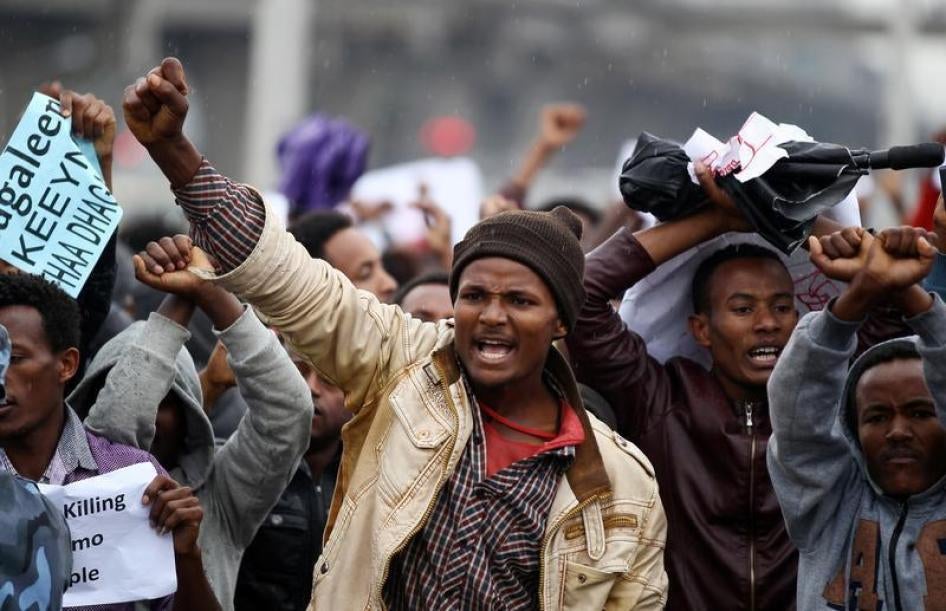
However, the electoral process has been overshadowed by considerable challenges. Voting did not take place in the northern Tigray region due to “unfavourable conditions” following a two-year civil war. Additionally, security problems led to interruptions and closures of polling stations in parts of the Amhara and Oromiya regions. These exclusions and disruptions raise questions about the comprehensiveness and fairness of the election, particularly given the ongoing insurgencies and ethnic grievances in these areas. The fragmented opposition, weakened by internal rivalries and accusations of government suppression, struggled to present a unified front against the incumbent Prosperity Party.
Political Landscape and Key Players
The Ethiopian political landscape is dominated by Prime Minister Abiy Ahmed and his Prosperity Party (PP). Formed in 2019 from a merger of regional parties that constituted the former ruling coalition, the Ethiopian People’s Revolutionary Democratic Front (EPRDF), the PP emphasizes national unity, economic reform, and state-led development. Abiy Ahmed, a Nobel Peace Prize laureate in 2019 for ending hostilities with Eritrea, has been in power since 2018 and is seeking another term. His supporters credit him with liberalizing the economy and freeing political prisoners in his early years.
However, the opposition remains fragmented and largely weakened. Key opposition parties include the National Movement of Amhara (NAMA), primarily operating in the Amhara region and focusing on Amhara representation and security concerns, and the Ethiopian Citizens for Social Justice (EZEMA), a national party advocating for liberal democratic governance and market-oriented reforms. A coalition known as “Peace for Ethiopia” also exists, comprising smaller regional parties aiming to improve coordination and representation of diverse regional interests.
Despite the presence of multiple parties and 73 independent candidates, the PP’s dominance is largely unchallenged. Opposition parties frequently accuse the federal government of undermining their activities through arrests of leaders and legal obstacles, charges the government denies. This environment, coupled with the government’s control over state resources and media, makes it difficult for opposition voices to gain significant traction, leading to concerns about the fairness of the electoral playing field.
Challenges to Credibility: Security, Exclusion, and Economic Woes
The credibility of Ethiopia’s 2026 general election is significantly undermined by a confluence of factors, primarily a worsening security crisis, an incapacitated electoral board, and a fragile economy. These issues collectively create an environment where a truly free and fair election is difficult to achieve.
Security Crisis: The most prominent challenge is the pervasive insecurity across several regions. While the civil war in Tigray officially ended in 2022, the region remains in a fragile political limbo, with voting not taking place due to “unfavourable conditions”. More critically, the Amhara region has been the epicenter of an active insurgency by the Fano militia since April 2023, making ballot distribution and state administration logistically impossible in many areas. Similarly, the Oromo Liberation Army (OLA)’s insurgency in Oromia continues to render several zones insecure, marked by civilian killings and kidnappings Holding a nationwide election amidst these conflicts risks replicating the 2021 dynamic, where millions of citizens were effectively excluded from voting, further deepening grievances and undermining the legitimacy of the outcome.
Incapacitated Electoral Board: The National Election Board of Ethiopia (NEBE) faces significant logistical and legitimacy challenges. Despite efforts to implement digital registration, the reality of infrastructure destruction in conflict-affected areas, millions of internally displaced persons (IDPs), and the absence of a national census since 2007 complicate its operations. Opposition parties continue to raise concerns about political repression and the imprisonment of their leaders, questioning the board’s independence and its ability to ensure a level playing field. The NEBE’s struggle to register IDPs and guarantee staff safety in conflict zones further highlights its operational limitations.
Fragile Economy: The election is also taking place against a backdrop of severe economic distress. Ethiopia is grappling with the aftermath of the northern war, which resulted in an estimated $80 billion loss in Tigray alone, a foreign exchange crisis leading to currency devaluation, and stalled debt restructuring negotiations under the G20 Common Framework. Voters face a severe cost-of-living crisis and widespread frustration over perceived state neglect, with little progress on transitional justice or national dialogue. High youth unemployment and civil unrest contribute to recruitment into insurgencies, linking economic grievances directly to the security crisis. An election held under these conditions risks further eroding state legitimacy and public trust.
Strategic Imperatives for National Reintegration
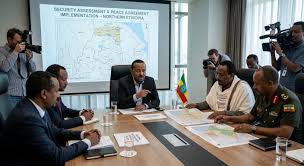
To navigate the current electoral dilemma and foster a more stable and democratic future, Ethiopia must prioritize a multi-faceted approach that addresses both immediate and underlying challenges. Firstly, a genuine commitment to peace and security is paramount. This requires not only ending active conflicts but also initiating comprehensive national dialogues that include all stakeholders, particularly those in marginalized and conflict-affected regions. Without broad-based political consensus and a cessation of hostilities, any electoral process will continue to lack legitimacy and inclusivity.
Secondly, strengthening the independence and capacity of the National Election Board of Ethiopia (NEBE) is crucial. This involves providing adequate resources, ensuring logistical capabilities to reach all eligible voters, including internally displaced persons, and safeguarding its autonomy from political interference. Implementing electoral reforms that address opposition concerns about fair play, such as ensuring equitable access to media and freedom of assembly, would also enhance the credibility of future elections.
Thirdly, addressing the fragile economic situation is vital for long-term stability. This includes pursuing sustainable debt management strategies, diversifying the economy, and implementing policies that alleviate the cost-of-living crisis. Investing in youth employment and social programs can help mitigate the grievances that fuel unrest and provide a more hopeful future for the large young population.
Finally, a renewed commitment to human rights and the rule of law is essential. Reversing the trend of detaining journalists and activists, and ensuring accountability for human rights abuses, would rebuild trust between the government and its citizens, as well as with the international community. Ethiopia’s journey towards a truly democratic and prosperous nation will depend on its ability to reconcile its internal divisions, foster genuine inclusivity, and build robust, independent institutions.
The Bottom line
Ethiopia’s 2026 general election, while presented as a democratic exercise, has been deeply marred by persistent security crises, significant exclusions, and a fragile economic environment. The anticipated landslide victory for Prime Minister Abiy Ahmed’s Prosperity Party, achieved amidst these challenging conditions, raises fundamental questions about the legitimacy and inclusivity of the electoral process. For Ethiopia to truly advance towards a stable and democratic future, it must move beyond performative elections. This requires a genuine commitment to resolving internal conflicts through inclusive dialogue, strengthening independent institutions like the NEBE, implementing comprehensive economic reforms that address the cost-of-living crisis, and upholding human rights. The path ahead is fraught with challenges, but a concerted effort to foster national unity, ensure equitable participation, and build trust will be crucial for the long-term peace and prosperity of the nation.