oluwatosin oyeniyi
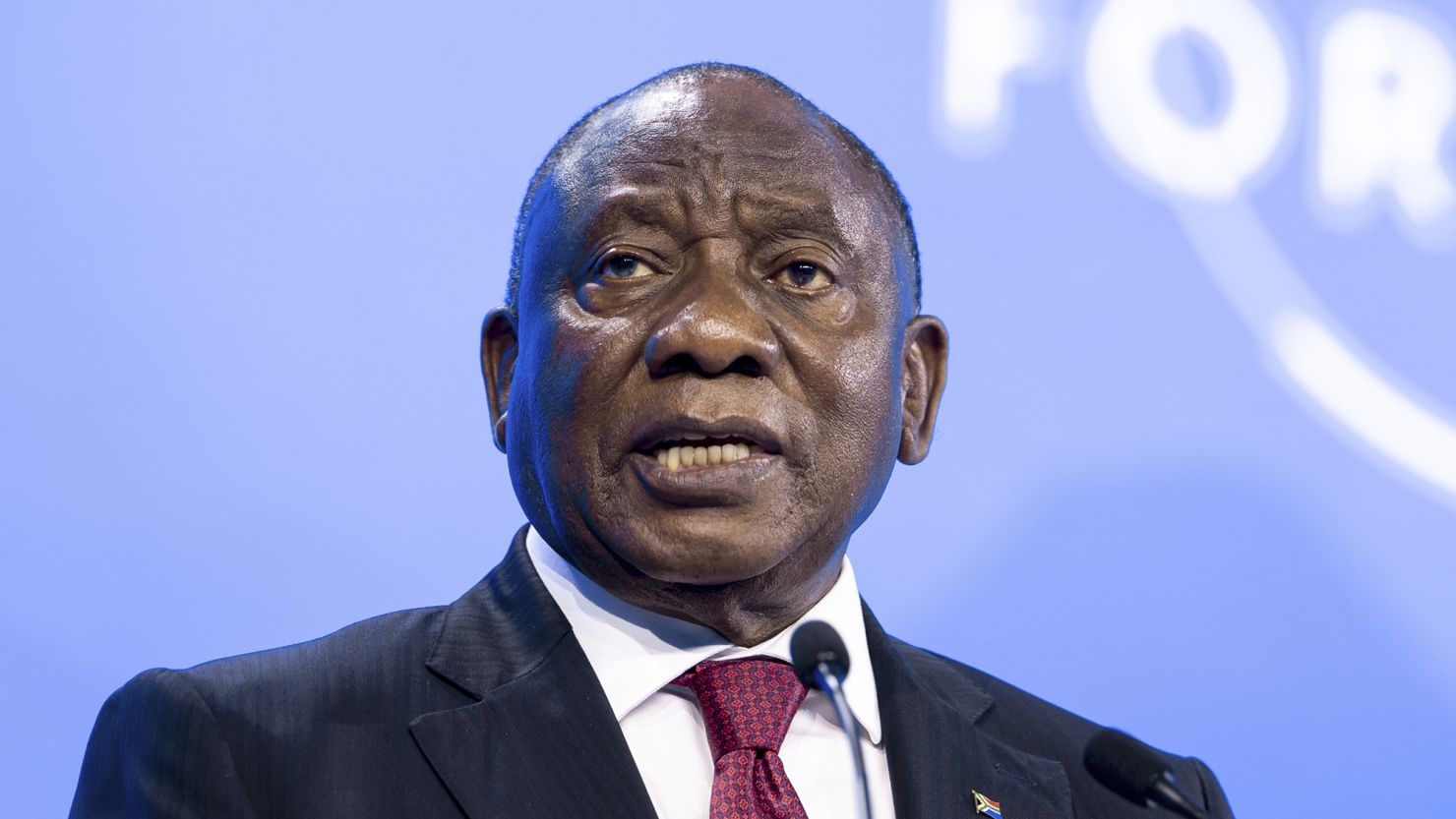
 South Africa’s political landscape has entered another critical phase as the Cape Town High Court begins hearing President Cyril Ramaphosa’s urgent application to halt Parliament’s impeachment proceedings linked to the controversial Phala Phala scandal.
High-Stakes Court Battle Begins
The Cape Town High Court has officially commenced proceedings on President Cyril Ramaphosa’s request for an urgent interim interdict to suspend Parliament’s Section 89 inquiry.
Consequently, this trial marks a highly dramatic turn of events. These Ramaphosa impeachment proceedings stem from an independent parliamentary panel’s report. The panel concluded that there was prima facie evidence suggesting the president may have violated constitutional obligations and committed serious misconduct.
The entire controversy centers on the alleged theft of approximately US$580,000 in cash. The foreign currency was reportedly hidden inside furniture at Ramaphosa’s private Phala Ranch game farm in Limpopo in 2020.
The incident generated widespread political outrage. It raised tough questions regarding whether the funds were properly declared to tax authorities and if state resources were misused to cover up the crime.
Ramaphosa’s Legal Argument
President Ramaphosa maintains that the National Assembly should not continue with active impeachment proceedings. He argues that the process must wait until the courts determine the overall legality of the independent panel’s original findings.
His legal team contends that allowing Parliament to proceed before this judicial review is concluded could result in an unfair process. It could also prejudice the outcome of ongoing legal challenges.
Specifically, the president’s high court application seeks to declare the Section 89 panel’s report unlawful. His lawyers argue that the panel, which was chaired by former Chief Justice Sandile Ngcobo, misunderstood its constitutional mandate.
Furthermore, Ramaphosa’s founding affidavit asserts that the panel incorrectly relied on hearsay evidence and unlawfully obtained police documents. Because the main judicial review to set aside the report is scheduled to be heard in September, the president argues that proceeding with an impeachment committee now would cause “irreparable” political and reputational harm.
Parliament and Opposition Push Back
However, Parliament’s newly constituted Section 89 Impeachment Committee is vigorously opposing the application. Impeachment Committee Chairperson Makashule Gana has formally joined opposition parties, including the Economic Freedom Fighters (EFF) and the African Transformation Movement (ATM) to defend the legislature’s authority.
The committee’s legal team argues that parliamentary oversight functions operate independently of judicial reviews. Furthermore, they contend that suspending the inquiry would undermine constitutional accountability.
They insist that Parliament has both the authority and the responsibility to examine these allegations. This responsibility is particularly urgent following a recent Constitutional Court ruling.
The apex court ruled that the National Assembly acted irrationally when it originally voted against implementing the panel’s report in late 2022. Consequently, committee lawyers insist they are simply carrying out a direct court order. They argue that a pending litigation review should not automatically stall parliamentary oversight.
Constitutional and Political Implications
The case extends far beyond the immediate Phala Phala controversy. Legal experts note that the High Court’s ruling could establish an important constitutional precedent regarding the relationship between South Africa’s courts and Parliament’s impeachment powers.
Specifically, the judgment will clarify whether elected officials can seek judicial intervention to delay parliamentary accountability processes while separate legal reviews remain unresolved.
At the same time, the proceedings arrive at an incredibly sensitive time for the governing African National Congress (ANC). President Ramaphosa’s administration continues to face immense pressure over issues of public trust, transparency, and state capability.
While the President’s supporters argue that due process must be respected, opposition parties maintain that nobody should be shielded from legislative scrutiny. They warn that allowing the interdict would set a dangerous precedent, potentially allowing future presidents to stall impeachment inquiries for years through protracted appeals.
What Happens Next?
The Cape Town High Court Click to open side panel for more information will determine whether an interim interdict should be granted while the broader judicial review proceeds. If the court grants the application, Parliament’s Section 89 impeachment inquiry will be temporarily suspended. This suspension will remain in place pending the outcome of the September review.
Conversely, if the court dismisses the application, the parliamentary committee will be free to immediately proceed with its investigation. It can then summon witnesses to answer tough questions regarding the hidden cash.
Whatever the outcome, the ruling is bound to shape South Africa’s constitutional jurisprudence on executive accountability. It will also reinforce the continuing national debate over the balance between judicial intervention and parliamentary authority.
Conclusion
The High Court proceedings mark another defining chapter in the long-running Phala Phala saga. It highlights the strength and independence of South Africa’s constitutional institutions.
As the judiciary weighs the president’s request against Parliament’s oversight mandate, the case is expected to have lasting implications. It will ultimately define the limits of executive accountability and the separation of powers in South Africa for years to come.