ViewPoints Africa Editorial Team
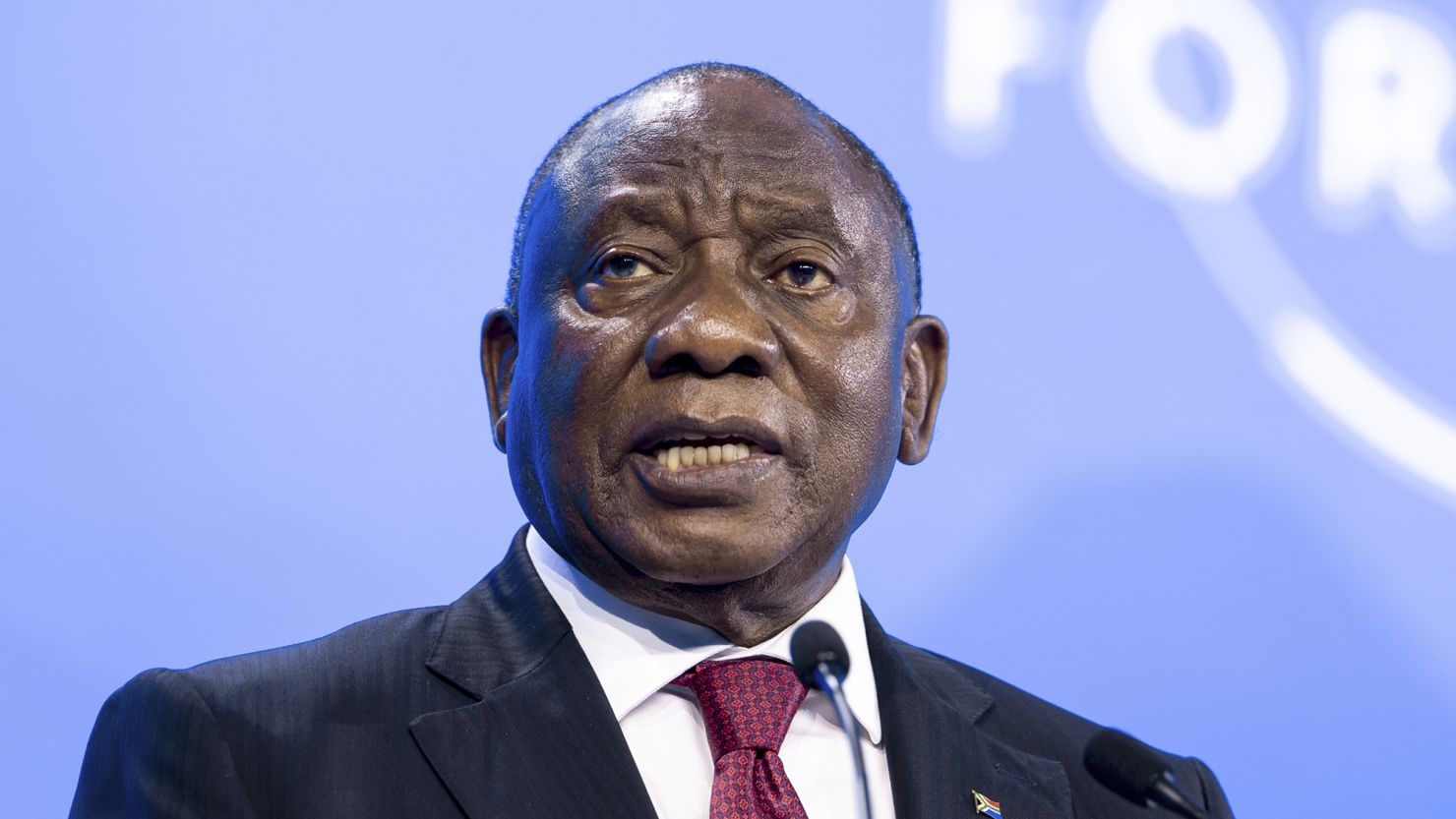
 The recent consolidation of power by Mali’s military leader, Assimi Goïta, who officially assumed the role of Defence Minister on May 4, 2026, marks a critical juncture for Mali and the broader Sahel region . This development follows the death of the former Defence Minister, Sadio Camara, in a suspected suicide bombing amidst a surge of coordinated insurgent attacks . Goïta’s move, coupled with the ongoing nationwide offensive by al-Qaeda-linked Jama’at Nusrat al-Islam wal-Muslimin (JNIM) and the Azawad Liberation Front (FLA), carries significant regional security implications that demand close scrutiny.
Goïta’s Power Consolidation and the Security Crisis
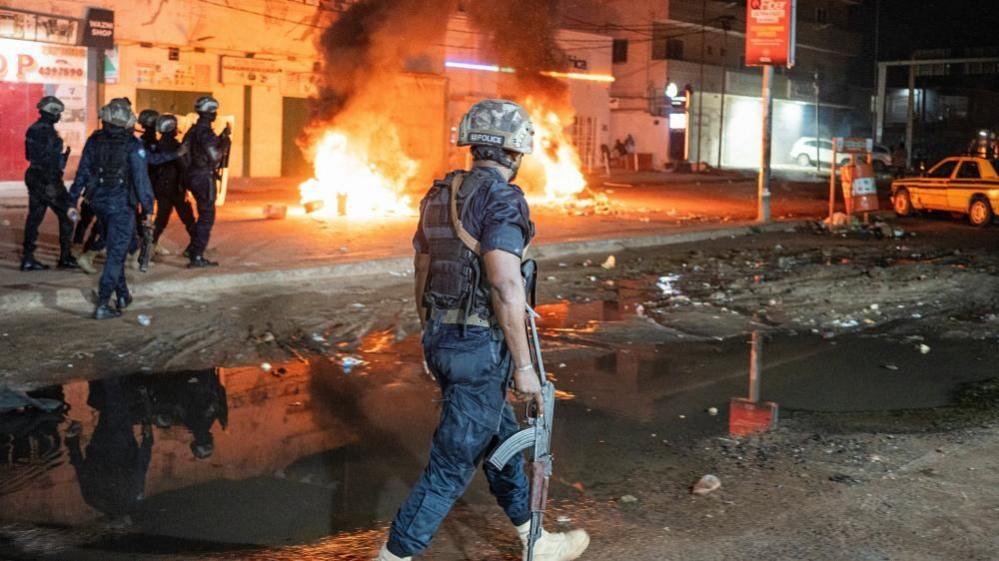
Assimi Goïta’s decision to directly take charge of the Defence Ministry, while retaining his position as President of the Transition, underscores the severity of the security challenges facing Mali. He will be assisted by the newly appointed Minister Delegate, Army Chief of Staff General Oumar Diarra . This leadership shift occurs in the wake of a major insurgent offensive that commenced on April 25, 2026, during which former Defence Minister Sadio Camara was killed . The offensive, spearheaded by JNIM and the FLA, has seen the capture of the strategic northern town of Kidal, marking the largest attack in Mali in nearly 15 years . The rebels have also declared a partial blockade of the capital, Bamako, signaling their intent to escalate pressure on the military government . This aggressive posture by insurgent groups highlights the Malian military’s struggle to contain the widespread violence, despite Goïta’s initial pledges to restore security after the coups in 2020 and 2021 .
Regional Instability and Spillover Risks
The deteriorating security situation in Mali, exacerbated by Goïta’s consolidation of power and the intensified insurgent activity, poses substantial risks to the stability of the Sahel and West Africa. The success of JNIM and FLA in capturing territory and launching coordinated attacks could embolden similar extremist groups in neighboring countries, particularly within the Alliance of Sahel States (AES), which includes Burkina Faso and Niger .The AES, formed by Mali, Burkina Faso, and Niger, was intended to bolster regional security cooperation. However, the current crisis in Mali tests the resilience of this alliance. If the Malian military continues to struggle against the insurgents, it could weaken the collective security framework of the AES, potentially leading to a domino effect where instability spreads across the member states. The shared borders and porous frontiers make these nations particularly vulnerable to the spillover of extremist violence and the movement of armed groups.
The escalating conflict in Mali is already contributing to a severe humanitarian crisis. Reports indicate massive displacement of populations and atrocities committed against civilians . This not only strains the resources of Mali but also places immense pressure on neighboring countries that may experience an influx of refugees. The humanitarian consequences have regional implications, requiring coordinated international responses that are currently hampered by Mali’s strained diplomatic relations.
Geopolitical Shifts and External Engagements
Mali’s military government has notably severed ties with its former colonial power, France, and expelled the United Nations peacekeeping mission (MINUSMA) . In their place, Mali has increasingly relied on Russian support, initially through the Wagner Group, which has now transitioned into the Africa Corps under the direct control of the Russian Defence Ministry . However, the ongoing insurgent offensive suggests that this new security partnership has not yet yielded the desired results, leaving a potential security vacuum. This geopolitical shift has broader implications for regional security dynamics. The reduced presence of traditional international partners and the increased reliance on Russia could alter the balance of power in the Sahel, potentially complicating future regional and international efforts to stabilize the area. The declaration of a “total war” by JNIM further underscores the challenges faced by the Africa Corps in containing the insurgency . The Economic Community of West African States (ECOWAS) has expressed concerns over the escalating violence and is reportedly considering the deployment of a 2,000-strong regional standby force by the end of 2026 to combat armed groups across West Africa . The effectiveness of such a force, however, will depend on political will, coordination among member states, and Mali’s willingness to cooperate, given its current strained relationship with ECOWAS.
Goïta’s consolidation of power in Mali, while intended to project strength and resolve, could also centralize responsibility for the ongoing security failures. The coming months will be crucial in determining whether this leadership shift can effectively address the multifaceted security crisis or if it will further entrench Mali in a cycle of instability with profound regional consequences.