oluwatosin oyeniyi
 Welcome back to our xenophobia series.
In Episode 1, we defined xenophobia.
In Episode 2, we examined what is happening on the ground in South Africa.
Now, we ask a harder question:
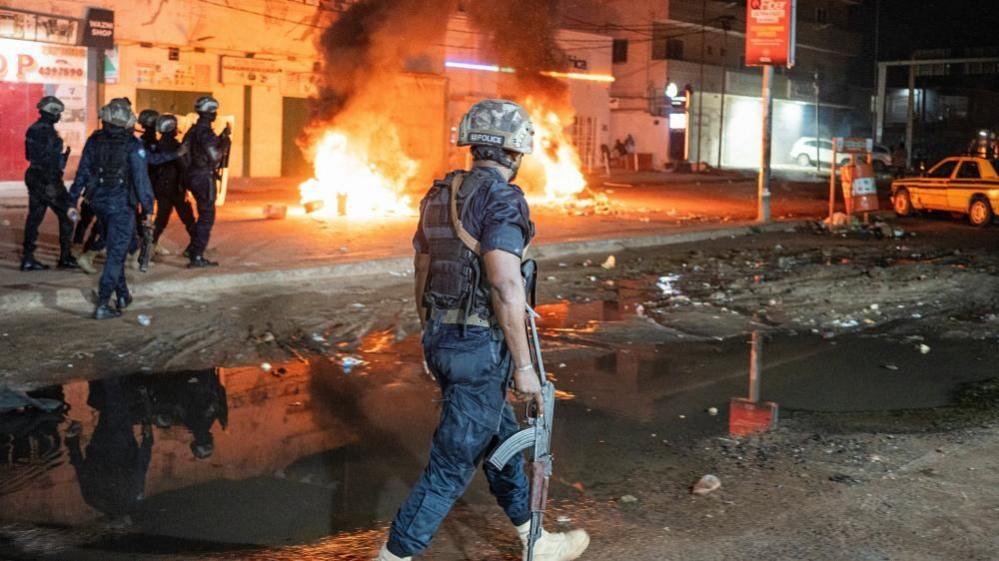
Who is actually responsible for the rise of xenophobia? Because while the violence happens in communities, the forces driving it often come from much higher up.
Beyond the Streets: The System Behind the Violence
It is easy to blame individuals: angry youths, looters, or mobs. But that explanation is incomplete. Xenophobia doesn’t just appear overnight. It is built, reinforced, and sometimes quietly encouraged through:
• Political narratives
• Media framing
• Policy failures
• Economic neglect
What we are seeing is not just spontaneous anger, it is structured frustration looking for a target.
1. Political Leadership: The Power of Words
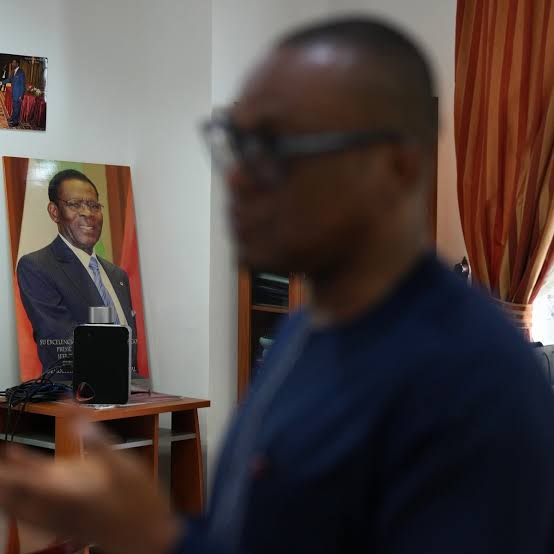
Political leaders play a significant role in shaping public perception. When leaders blame “foreign nationals” for crime, suggest igrants are “taking jobs, or avoid correcting misinformation. They create an environment where hostility feels justified. In times of economic hardship, it becomes easier to redirect public anger toward outsiders rather than address deeper governance failures like:
• Unemployment
• Corruption
• Inequality
This is not always direct incitement. Sometimes, it is silence. And silence, in moments of tension, can be just as powerful.
2. Economic Pressure: Survival Politics
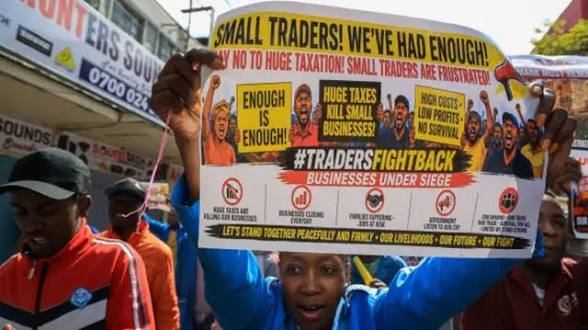
Let’s be clear: economic hardship is real. In many South African communities jobs are scarce, housing is limited and basic services are inconsistent. When survival becomes competitive, people begin to look for who to blame. Foreign nationals, especially those running small businesses, become visible symbols of:
• Competition
• Opportunity
• Difference
But here’s the uncomfortable truth: Migrants are not the cause of economic collapse. They are part of the same struggle. Yet, in the absence of strong economic policies, frustration is redirected sideways instead of upward.
3. Media and Social Media: Fuel or Solution?
The role of media cannot be ignored. Traditional media sometimes amplifies crime stories involving foreigners, sensational headlines and Unverified narratives Social media makes it worse. False information spreads quickly:
• “Foreigners are responsible for all crime”
• “They don’t pay taxes”
• “They are taking over communities”
These narratives are rarely fact-checked before they influence real-world actions. Movements and hashtags can mobilize people within hours—sometimes turning online anger into offline violence.
4. Policy Failures: The Governance Gap
Weak immigration systems contribute to confusion and tension. When governments fail to clearly regulate migration, provide proper documentation systems and communicate policies transparently It creates:
• Mistrust among citizens
• Fear of the unknown
• A sense that “anything goes”
This policy vacuum allows myths to thrive. And when people don’t understand a system, they often respond with fear.
5. The Dangerous Narrative: “Us vs Them”
At the heart of xenophobia is a simple but powerful idea: “We are different and that difference is a threat.” This narrative ignores a critical reality: Across Africa, migration is not new. People have always moved for trade, safety, and opportunity. The real issue is not movement. It is how societies respond to it under pressure.
So, Who Is to Blame? The answer is uncomfortable:
Everyone and no one.
• Leaders who deflect responsibility
• Systems that fail to provide opportunities
• Media that amplifies division
• Communities reacting under pressure
Xenophobia is not caused by one group. It is the result of multiple failures happening at the same time.
The Bottom Line
If we continue to treat xenophobia as just “violence in communities,” we miss the bigger picture. It is:
• A governance issue
• An economic issue
• A communication issue
• A leadership issue
Until these layers are addressed, the cycle will continue. Looking Ahead
In Episode 4, we will explore: How social media is shaping xenophobia: fueling it, fighting it, and redefining the narrative.
Let’s Talk in the comment section: Do you think political leaders are doing enough to address xenophobia?
Or are they part of the problem?
Join the conversation.