oluwatosin oyeniyi
 The African continent is currently witnessing a series of seemingly disconnected events that, when viewed together, reveal a profound and troubling pattern. From the streets of Banjul to the military camps of Burundi and the conflict-torn provinces of the eastern Democratic Republic of the Congo (DRC), a palpable sense of rising tension is emerging. These are not isolated incidents; they are signals of a widening gap between state power and public trust, reflecting a moment where stability can no longer be assumed, it must be actively built and defended.
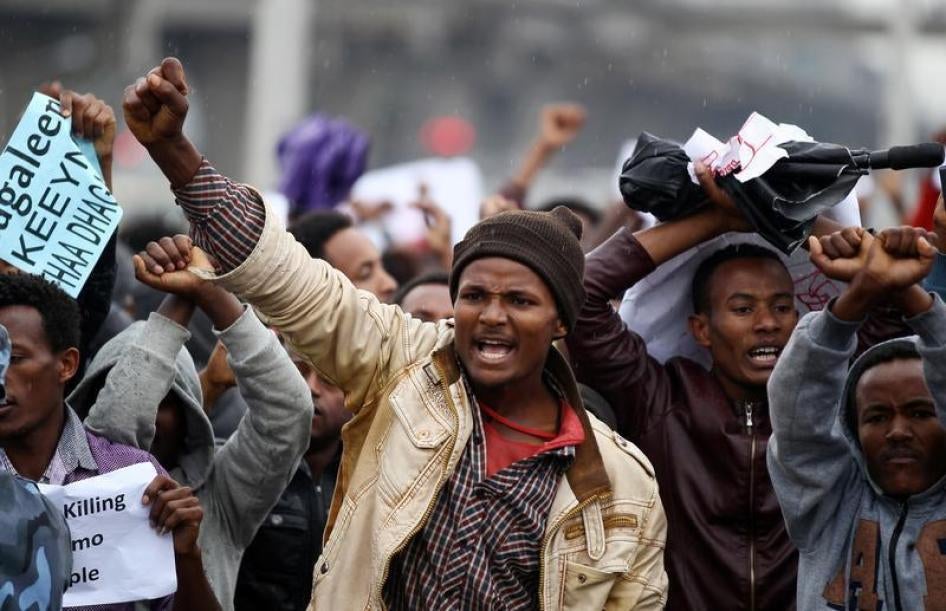
In The Gambia, a nation once hailed for its democratic transition, the political atmosphere has turned increasingly volatile. On March 31 and April 1, 2026, protests erupted in response to the controversial re-arrest of Ousainou Bojang and his sisters. The arrests, perceived by many as a form of political suppression under the leadership of President Adama Barrow, sparked a wave of national indignation. Citizens took to the streets, not just in support of individuals, but to challenge what they perceive as a return to the repressive tactics of the past. The heavy-handed response from the police, described by some as “police brutality,” has only served to deepen the rift between the government and the governed. This is a clear indication that the Gambian public is no longer willing to accept the erosion of their democratic gains. The message from the streets is unequivocal: “no government has more power than the civilians”. The challenge for the Gambian state is whether it can respond to these grievances through dialogue and reform, or if it will continue to rely on the “rod of sanctions” and suppression.
While The Gambia grapples with political unrest, Burundi is mourning a tragic loss of life following a massive explosion at a military ammunition store. On April 1, 2026, a fire triggered by an electrical short circuit led to a series of devastating blasts at a military base, killing at least 13 civilians and injuring 57 others. This incident raises urgent and uncomfortable questions about safety, operational control, and the state of military infrastructure in Burundi. The fact that such a catastrophic event could occur due to a preventable technical failure points to a deeper fragility within the state’s security apparatus. For the citizens of Burundi, the tragedy is a stark reminder of the risks they face when the institutions meant to protect them are themselves compromised by neglect or lack of oversight. The government’s ability to manage this crisis and provide transparent answers will be a critical test of its legitimacy and its commitment to public safety.
In the eastern Democratic Republic of the Congo, the situation remains “alarming” as conflict and insecurity continue to destabilize entire communities. Clashes between rebel militia groups, including the M23 and the AFC, and pro-government forces have intensified, leading to a surge in violence and displacement. The ongoing conflict in the DRC is a testament to the cyclical nature of insecurity when the root causes of tension remain unresolved. Despite the presence of UN missions and regional diplomatic efforts, the security situation continues to be a source of profound tension among countries in the Great Lakes region. The DRC’s struggle is not just a military one; it is a failure of governance and a lack of effective state presence in the eastern provinces. The persistent instability reflects a state that is struggling to assert its authority and protect its citizens, further eroding the trust between the people and the institutions that are supposed to serve them.
These events in The Gambia, Burundi, and the DRC are not merely “crises” to be managed in isolation. They are part of a broader continental signal. Across different regions, we are seeing a consistent pattern:
- Citizens are increasingly challenging authority, demanding accountability, and refusing to be silenced by repressive tactics.
- States are struggling with security and crisis management, often revealing deep-seated operational and structural fragilities.
- Longstanding conflicts remain unresolved, fueled by a lack of effective governance and regional cooperation.
The real story here is the widening gap between state power and public trust. When governments prioritize the preservation of power over the protection and well-being of their citizens, the foundation of stability begins to crumble. The rising tensions we are seeing are the symptoms of this underlying decay. Africa is entering a moment where stability can no longer be assumed. The old models of governance, often characterized by top-down authority and a lack of transparency, are being increasingly rejected by a more informed and vocal citizenry. Stability in the 21st century must be actively built and defended through inclusive governance, the rule of law, and a genuine commitment to human rights.
The question for African leaders is no longer whether tensions exist, they clearly do. The question is whether their institutions can respond fast enough and effectively enough to contain them. This requires a fundamental shift in mindset: from viewing citizens as threats to be managed, to seeing them as partners in the building of a stable and prosperous future. The escalating tensions across the continent are a call to action. For The Gambia, it is a call to return to the path of democratic reform. For Burundi, it is a call to prioritize safety and operational excellence. For the DRC, it is a call for a comprehensive and lasting solution to the root causes of conflict.
Across Africa, the question is no longer whether tensions exist but whether institutions can respond fast enough to contain them. The path forward requires bold leadership, a commitment to transparency, and a recognition that true stability can only be achieved when state power is grounded in public trust.