deshola
 Nigeria’s government has formally cautioned that it will hold Russia accountable for recruiting Nigerians which many of them are young and vulnerable to fight in Ukraine. On its surface, the message is diplomatic, a sovereign state objecting to illegal recruitment of its citizens into a foreign conflict. But beneath this official warning lies a far deeper and more troubling reality, one that no passport advisory or diplomatic note can fully address.
For a young man in Lagos or a girl in Kano, the “absence of opportunity” isn’t a headline, it is the silence of a phone that never rings with a job offer. It is the dust on a university degree that cost a family their life savings to earn. When you wake up every morning with a heart full of ambition but nowhere to pour it, the walls of your own neighborhood start to feel like a cage.
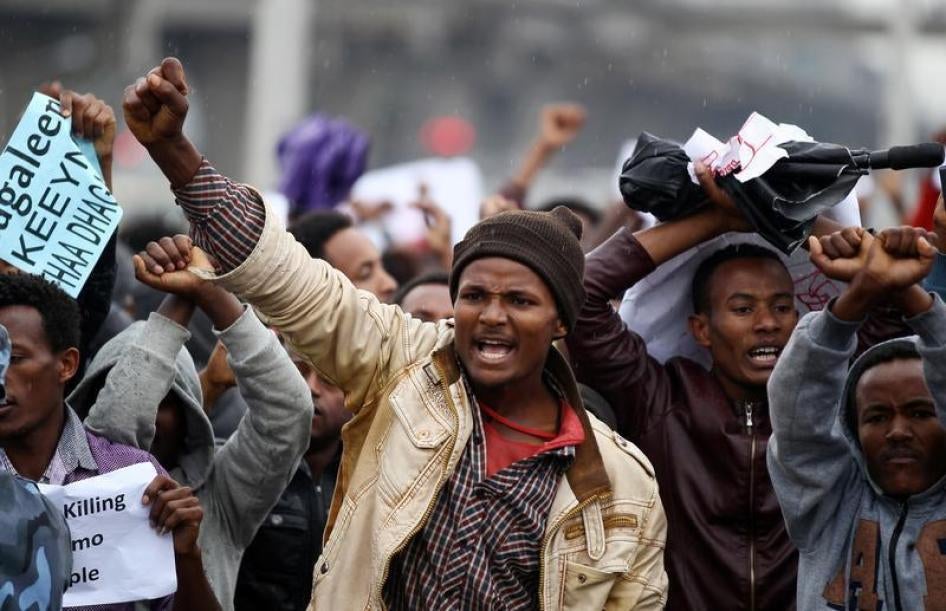
Nigeria’s youthful majority is roughly 60% of its population under the age of 25 which stands at the crossroads of potential and frustration. They are educated, connected digitally, and globally aware, yet they face one of Africa’s highest youth unemployment rates. For many, the economy’s persistently slow job creation means diplomas gather dust while bills mount. As one young Nigerian framed it in conversation: “It’s not that we want to leave, it’s that staying feels like a slow death.”
When a foreign recruiter arrives, they aren’t just selling a job; they are selling a “way out.” For a young Nigerian man who has watched his father’s pension vanish into inflation or his younger siblings drop out of school because fees couldn’t be met, “danger” is a relative term.
To him, the front lines in a place like Ukraine aren’t about a foreign flag. They are about the wire transfer that hits his mother’s account next month. He isn’t choosing a side; he is choosing a survival strategy for the people he loves.
While diplomatic protests and formal warnings have their place, pointing a finger at foreign recruiters only tells half the story. It is a hollow gesture to scold the sea for being rough while our own ship is riddled with leaks, we must recognize that a diplomatic protest is merely a bandage on a weeping wound; we cannot expect young people to stay aboard a sinking ship while we argue with the tide. The real solution lies in transforming the Nigerian soil from a place of stagnation into a field of opportunity, starting with the creation of localized, dignified jobs that turn “potential” into a steady paycheck. We must move beyond the abstract talk of entrepreneurship and invest in the brick-and-mortar of manufacturing, the digital backbone of the future, and the agricultural chains that actually put food on the table.
This transformation requires an education system that does more than hand out paper; it must arm graduates with the vocational mastery and certified skills that the modern world is actually willing to pay for, ensuring that a degree is a ladder rather than a dead end. Because many currently feel they are walking a tightrope without a net, we must establish social safety nets, structured internships, unemployment buffers, and genuine support for startups to prove to our youth that their country will catch them if they stumble. Ultimately, the fuel for staying is hope, and hope is only credible when governance is transparent. When the lights stay on, the courts play fair, and hard work finally beats “who you know,” the grass at home will finally look green enough to plant a future in, rendering the siren song of foreign peril a far less tempting tune.
The disillusioned movement of Africa’s youth isn’t a series of isolated events, but a continental heartbeat skipping a beat; it is a quiet, desperate “vote with the feet” cast by millions who feel that a life of dignity at home has become a mirage. While it is necessary to call out foreign powers for preying on this vulnerability, a diplomatic warning is merely shouting at the rain while the roof is caving in. The “border crises” in Europe and the “labour schemes” in the Middle East are simply the symptoms of a much deeper ache, a continent that is overflowing with potential but remains a desert for the very people meant to build its future.
To truly stem this tide, Nigeria and its neighbors must stop offering lifejackets and start fixing the ship, moving beyond the safe language of international norms to answer the one question that keeps a young person awake at night: Can I actually grow old here and be proud of what I’ve built? Until we replace the hollow promises of “potential” with the solid ground of real jobs, reliable electricity, and a justice system that doesn’t favor the few, the departure lounge will remain the only place where hope feels tangible. We must recognize that as long as the cost of staying feels like a slow fade into nothingness, no amount of warnings will stop a person from chasing a horizon that at least offers a glimmer of a destination.