deshola
 As Africa steps into 2026, the promise of economic recovery is once again colliding with a stubborn and familiar constraint: debt. Across the continent, rising borrowing costs, weakening currencies, and slowing growth are converging into a renewed sovereign debt squeeze that threatens to reverse years of hard-won development gains.
The scale of the challenge is stark. World Bank data shows that twenty-two low-income countries in Sub-Saharan Africa are either already in debt distress or at high risk of it. For a continent of 1.4 billion people already grappling with inflation, climate shocks, and fragile public services, the margin for error is thin.
What distinguishes this moment is not merely the volume of debt, but its cost. The era of cheap global capital has ended. Many African governments are now borrowing at interest rates above 10 percent, several times higher than those available to advanced economies. The result is a tightening fiscal vise that leaves little room for productive or social investment.
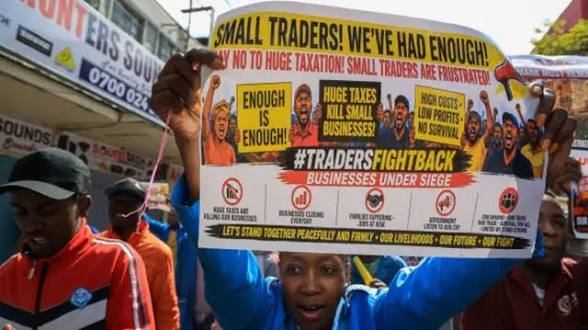
In 2025, more than half of Sub-Saharan Africans lived in countries where governments spent more servicing debt than on health and education combined. The implications are no longer abstract. When debt repayments take precedence over hospitals, classrooms, and clean water, macroeconomic stress translates directly into human vulnerability.
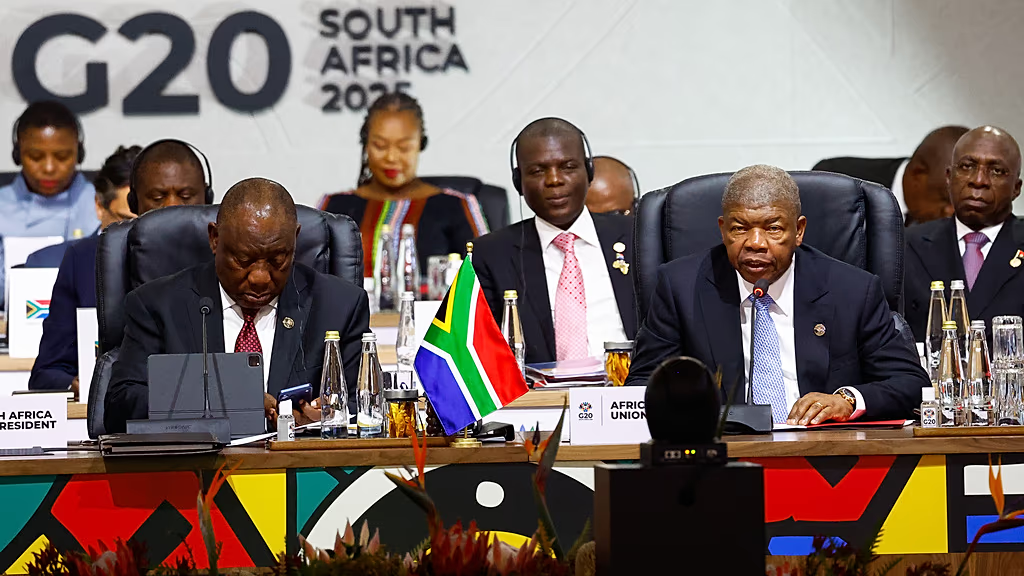
The 2025 G20 summit in Johannesburg, the first hosted on African soil, was widely framed as a moment to reset the global approach to debt relief. African leaders succeeded in forcing the issue onto the international agenda, but tangible progress has remained limited.
Part of the problem lies in the structure of modern sovereign debt. Unlike earlier crises dominated by a small group of official lenders, today’s creditor base is fragmented. Traditional Paris Club members now sit alongside China, Gulf lenders, and private bondholders, each with competing interests and little incentive to coordinate. The G20’s Common Framework for debt restructuring, designed to manage this complexity, has moved slowly, often bogged down in negotiations that stretch for years.
For heavily indebted countries, delay carries real costs. Investment stalls, currencies come under pressure, and public trust erodes as citizens absorb the consequences of prolonged uncertainty.
Growing frustration with the pace and politics of global debt relief has accelerated a shift toward regional solutions. African policymakers are increasingly arguing that the continent cannot outsource its financial stability indefinitely.
Several initiatives now signal this recalibration. The African Financing Stability Mechanism, launched by the African Union and the African Development Bank, is intended to provide emergency liquidity and refinancing, acting as a regional buffer against sudden shocks. The Africa Credit Rating Agency, expected to become fully operational this year, aims to challenge what many African officials view as persistent bias in global ratings that inflate borrowing costs by overstating risk. Meanwhile, the Liquidity and Sustainability Facility seeks to deepen secondary markets for African sovereign bonds, improving access to longer-term and more stable financing, including for climate-linked investments.
Taken together, these efforts mark a deliberate move away from dependence on volatile external capital toward a continent-led financial architecture.
Still, the path ahead is narrow. Fiscal tightening without growth risks social instability, while unchecked borrowing risks default. For commodity-dependent economies such as the Republic of the Congo, where oil dominates exports, exposure to global price swings makes debt sustainability especially fragile.
History offers few shortcuts. No country has escaped a debt crisis through austerity alone. Diversification, domestic revenue mobilisation, and value-added production remain the only durable exits, reforms that demand time, political discipline, and sustained institutional capacity.
As 2026 unfolds, the centre of gravity is shifting. Decisions taken in Addis Ababa, Abuja, and Nairobi may prove as consequential as those made in Washington or Beijing. Africa is no longer waiting for a rescue package that may never arrive. It is testing whether regional solidarity can be translated into financial resilience.
If these initiatives hold, this year may mark a turning point, the moment Africa began to loosen the grip of recurring debt crises. If they falter, the continent risks another lost decade, with consequences that will extend far beyond its borders.