deshola
 Somalia’s federal government has taken the extraordinary step of annulling all agreements with the United Arab Emirates, accusing Abu Dhabi of violating Somali sovereignty and undermining national unity. The decision, announced on 12 January 2026, marks a sharp break in relations between the Horn of Africa state and a key Gulf partner at a moment of heightened geopolitical competition.
The cabinet resolution strips the UAE of security, defence and economic accords that have bound the two countries for years including cooperation on strategic ports in Berbera, Bosaso and Kismayo and follows allegations that UAE-linked actors facilitated the illegal transit of Yemeni separatist leader Aidarous al-Zubaidi through Somali territory. Mogadishu says that flight, and others alleged to have bypassed federal authorisation, represent a serious breach of national law and airspace control.
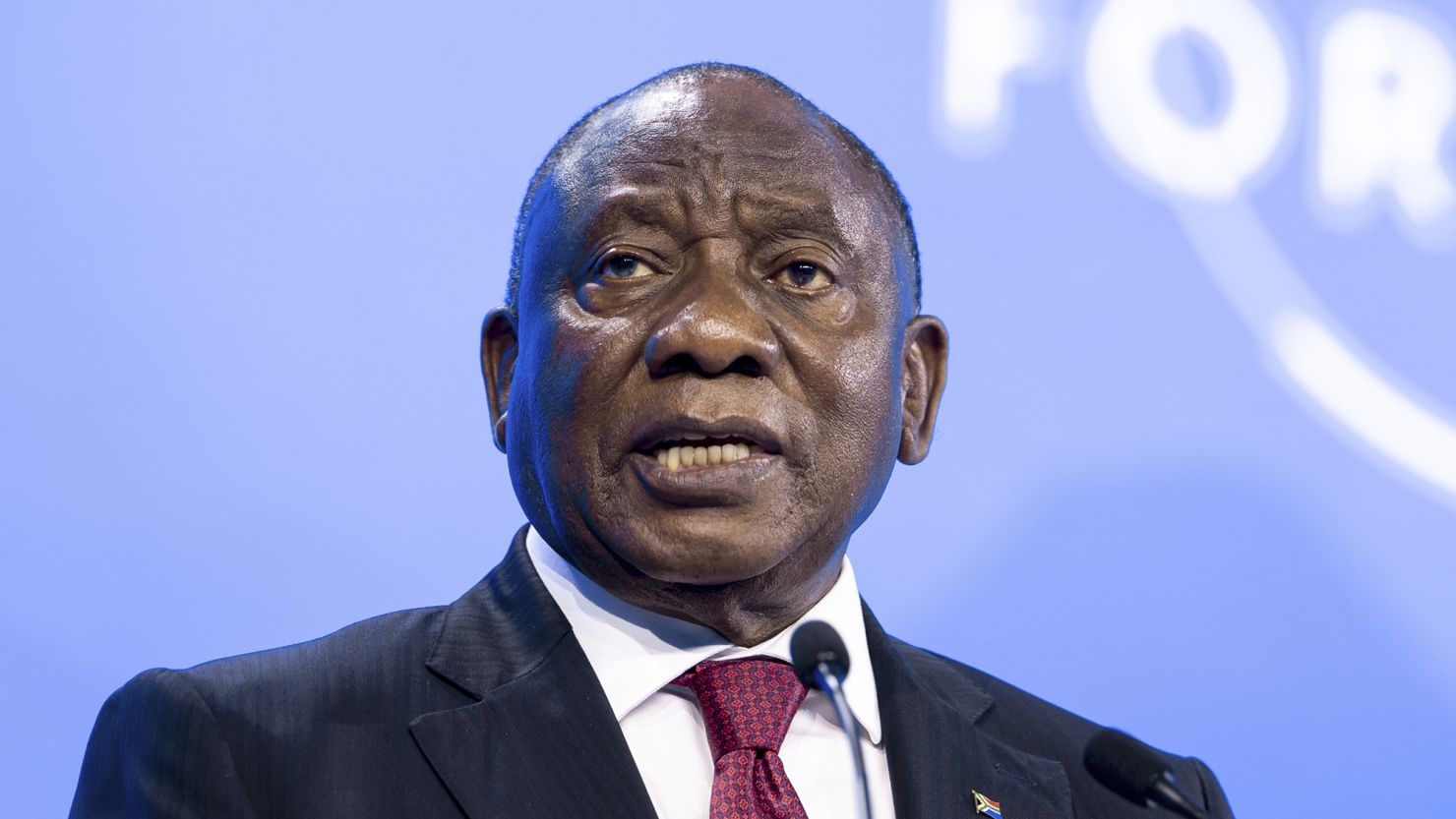
President Hassan Sheikh Mohamud and his cabinet framed the decision as a necessary assertion of constitutional authority. “Cooperation becomes interference when it circumvents recognised federal institutions,” a senior Somali official wrote in a commentary explaining the government’s position, stressing the need for all foreign partnerships to flow through established, transparent channels.
The move was not universally welcomed within Somalia. At least three self-governing regions Somaliland, Puntland and Jubbaland rejected the federal decision, vowing to maintain existing ties with the UAE. Somaliland’s leadership insisted that federal pronouncements would not affect its agreements, especially around port operations that have attracted substantial Gulf investment. Puntland and Jubbaland echoed this resistance, highlighting deep fissures in Somalia’s federal structure.
From Mogadishu’s perspective, the rupture with the UAE is about more than one incident. It reflects longstanding grievances that foreign partnerships have sometimes skirted federal oversight, empowering regional actors in ways that complicate national unity. Security cooperation and infrastructure deals have historically provided much-needed resources to Somalia’s security forces and economies, but they have also fuelled perceptions that foreign states can operate with impunity on Somali soil.
For its part, the UAE has not responded publicly to Somalia’s announcement, while Dubai’s DP World, which operates Berbera port under a multimillion-dollar concession, said its commercial activities would continue unaffected. Operators emphasised the economic importance of the facility for regional trade even as political tensions mount.
The implications of the dispute extend well beyond bilateral diplomacy. The Horn of Africa sits at the crossroads of Red Sea and Indian Ocean shipping routes, making its ports and airspace vital not just for commerce but for broader regional security. Countries such as Saudi Arabia and Qatar have strategic interests here as well, and the UAE’s engagements in port development, defence cooperation and regional politics are part of wider contestation among Gulf states over influence in Africa and the Middle East.
Somalia’s decision highlights one of the chronic dilemmas facing fragile states: how to balance the need for foreign investment and security support with the imperative of preserving sovereign decision-making. For Mogadishu, the answer at least for now is a firm line on centralised authority and constitutional process. For Somaliland and other regions, the calculation appears to favour continued engagement with external partners who provide resources and economic activity.
The path ahead will test whether Somalia can reconcile these competing priorities. Resolving federal–regional disagreements over foreign relations may require clearer legal frameworks defining the authority of Mogadishu versus member states, and more robust mechanisms for parliamentary oversight of international agreements. Regional organisations, including the African Union and the Intergovernmental Authority on Development (IGAD), could play a mediating role by helping establish norms around foreign military and economic partnerships in fragile states, a matter of growing urgency in the Red Sea and Horn of Africa theatres.
Somalia’s move also serves as a reminder for other African states that sovereignty is not static but must be actively defended through institutions that function with legitimacy. Whether Mogadishu’s assertive posture yields greater cohesion or fuels further internal division will depend on its ability to implement reforms that make federal authority both effective and representative across the country’s diverse regions.