oluwatosin oyeniyi
ABUJA, Nigeria — Relations between Nigeria and South Africa are facing renewed strain as attacks involving Nigerians and other African migrants in South Africa push the two countries into another diplomatic confrontation.
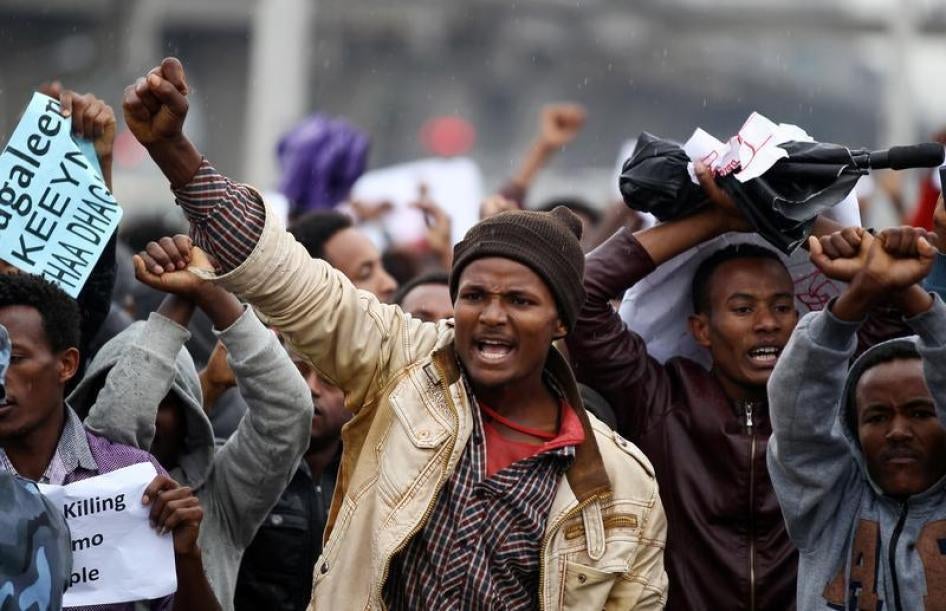
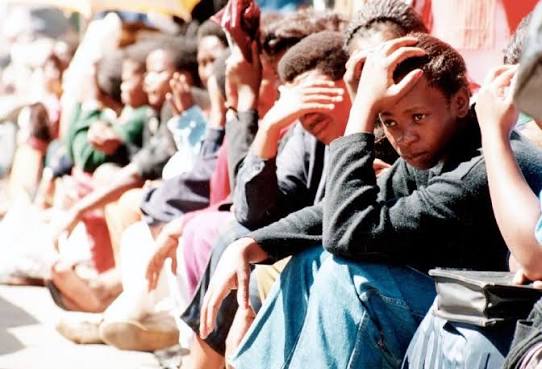
Nigeria’s National Assembly has suspended official visits to South Africa and ordered lawmakers, committees and parliamentary officials to boycott legislative activities hosted or organised by South African institutions until further notice. The decision followed reports of Nigerians being killed, injured, displaced and forced to abandon businesses and property amid renewed anti-migrant violence.
The parliamentary action does not suspend broader government-to-government engagements, but it represents a significant escalation in Nigerian concern over the treatment of its citizens.
It also highlights a problem that extends well beyond Abuja and Pretoria: how can African countries deepen regional integration when economic hardship and competition for jobs are increasingly being expressed through hostility towards migrants from other African states?
A Fresh Diplomatic Strain
The latest tensions follow the deaths of two Nigerian nationals in South Africa in early September.
Nigeria’s Foreign Ministry said James Uchechukwu Nwankwo died after allegedly being subjected to abusive interrogation by South African police in Cape Town, while Bishop Taiwo Michael Fakunle was killed at his home in Johannesburg. The circumstances and motives surrounding Fakunle’s death remain unclear.
The incidents have intensified concerns in Abuja about the safety of Nigerians living and working in South Africa.
Nigerian officials have said 98 Nigerians have died in mob, hate-related and extrajudicial incidents in South Africa since 2022. In 2026 alone, 1,695 Nigerians had voluntarily returned to Nigeria amid xenophobia-related tensions, according to Nigeria’s acting high commissioner in Pretoria.
For Nigeria, the issue is increasingly difficult to treat as isolated criminal incidents. For South Africa, however, the challenge is also complicated by domestic frustration over unemployment, crime, poverty and pressure on public services.
Those grievances can become politically and socially directed at foreign nationals, despite the fact that migrants cannot be held collectively responsible for the structural problems facing the country.
The Economics Behind the Tension
At the heart of the dispute is an uncomfortable economic reality.
South Africa has one of the world’s highest unemployment rates, particularly among young people. In communities where jobs and economic opportunities are scarce, foreign-owned businesses and migrant workers can become convenient targets for anger over declining living standards.
But xenophobic violence does little to address those structural problems.
Nigeria and South Africa are two of the continent’s largest economies and important destinations for African trade, investment and migration. Nigerians have established businesses and professional careers in South Africa, while South African companies maintain significant commercial interests in Nigeria.
A deterioration in relations therefore carries economic consequences beyond the individuals directly affected by violence.
The danger is that political pressure could encourage retaliatory measures, public hostility or boycotts that ultimately harm ordinary citizens and businesses in both countries.
A Challenge to African Integration
The dispute also exposes a contradiction at the centre of Africa’s integration project.
The African Continental Free Trade Area seeks to make it easier for African economies to trade with one another, while regional integration frameworks promote greater movement of people, goods, services and capital.
Yet the treatment of African migrants remains uneven, and national economic pressures can quickly turn migration into a political flashpoint.
Nigeria and South Africa have historically played influential roles in continental affairs. Nigeria supported the struggle against apartheid, while South Africa became one of the continent’s leading post-apartheid economies.
Their relationship therefore carries symbolic weight.
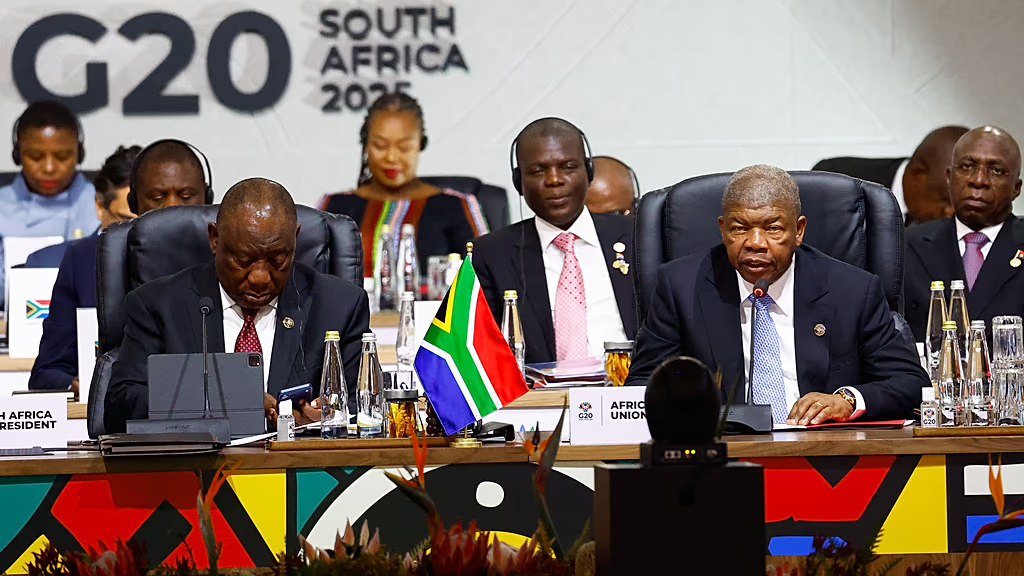
If two of Africa’s most influential states cannot manage disputes involving the safety and rights of their citizens, it raises broader questions about how effectively the continent can pursue deeper integration.
Beyond Condemnations
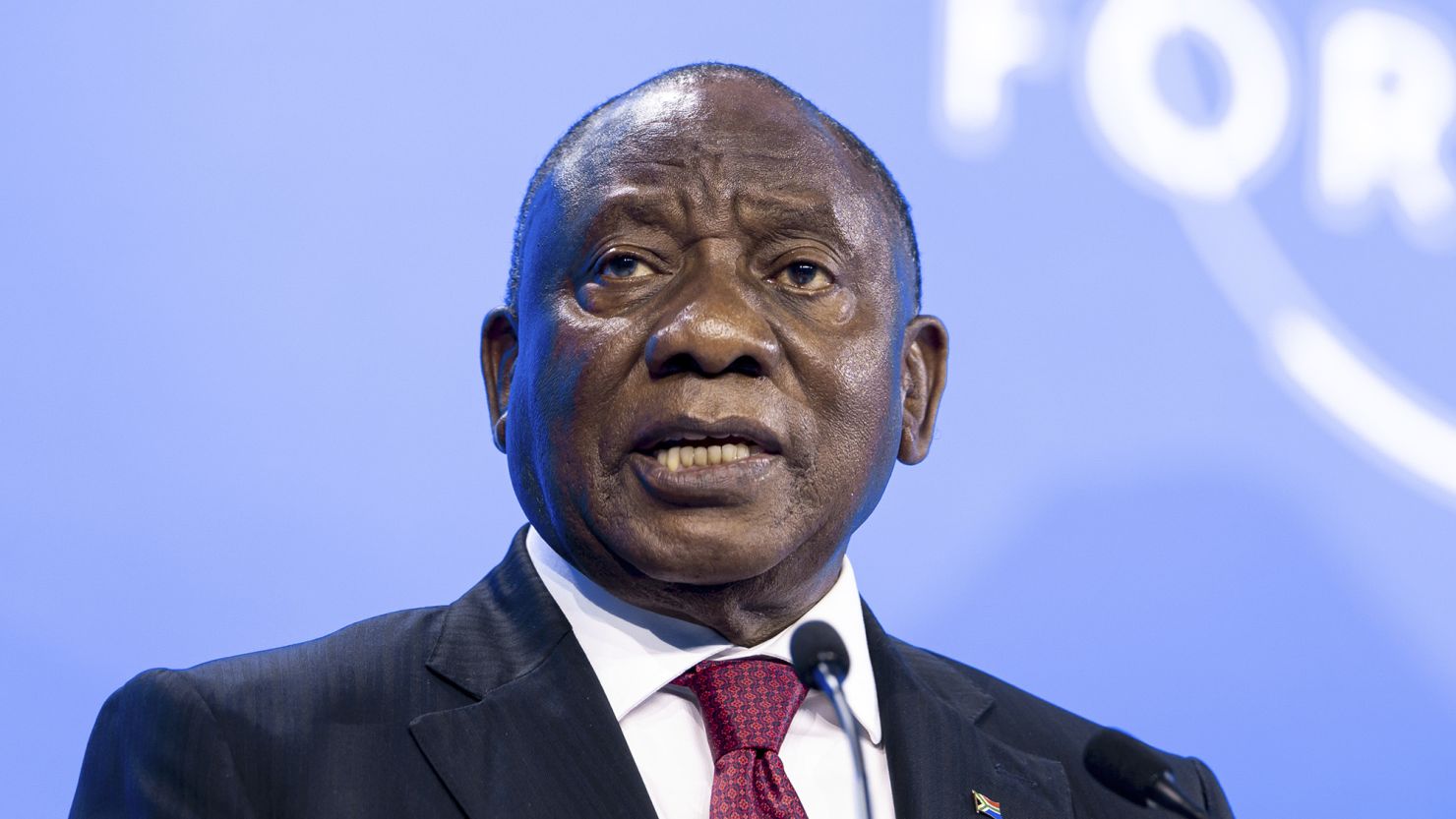
South Africa’s government has repeatedly condemned xenophobia, and International Relations Minister Ronald Lamola has described Nigeria’s parliamentary action as unfortunate while arguing that the dispute should not undermine bilateral relations.
But condemnation alone is unlikely to restore confidence.
South African authorities need to ensure that attacks against migrants are properly investigated and that perpetrators face justice, regardless of their nationality. Law-enforcement agencies must also be held accountable where allegations of abuse involve state officials.
Nigeria, meanwhile, has a responsibility to protect its citizens without allowing diplomatic pressure to turn into hostility towards South Africans in Nigeria.
Both governments could strengthen mechanisms for reporting attacks, sharing information and rapidly intervening when violence threatens migrant communities.
Civil society organisations and migrant associations should also have a greater role in identifying emerging tensions before they escalate.
Protecting Citizens Without Closing Africa
The central challenge for Nigeria and South Africa is finding a balance between national responsibility and continental solidarity.
Nigeria has every reason to demand that its citizens receive protection and equal treatment abroad. South Africa has an equally important responsibility to address the unemployment, inequality and governance failures that fuel resentment towards migrants without making foreigners scapegoats.
The answer cannot be to abandon African integration whenever domestic economic pressure rises.
Instead, the crisis should prompt both countries to strengthen the institutions that make integration sustainable: fair labour markets, accountable policing, effective immigration systems and stronger protection of migrant rights.
For Africa’s two largest political and economic powers, the stakes extend beyond their bilateral relationship.