oluwatosin oyeniyi
RABAT, Morocco — Morocco’s political parties are turning their attention to younger voters ahead of the September 23 legislative election, placing jobs, affordable housing and living costs at the centre of their campaigns as they seek to respond to growing youth dissatisfaction.
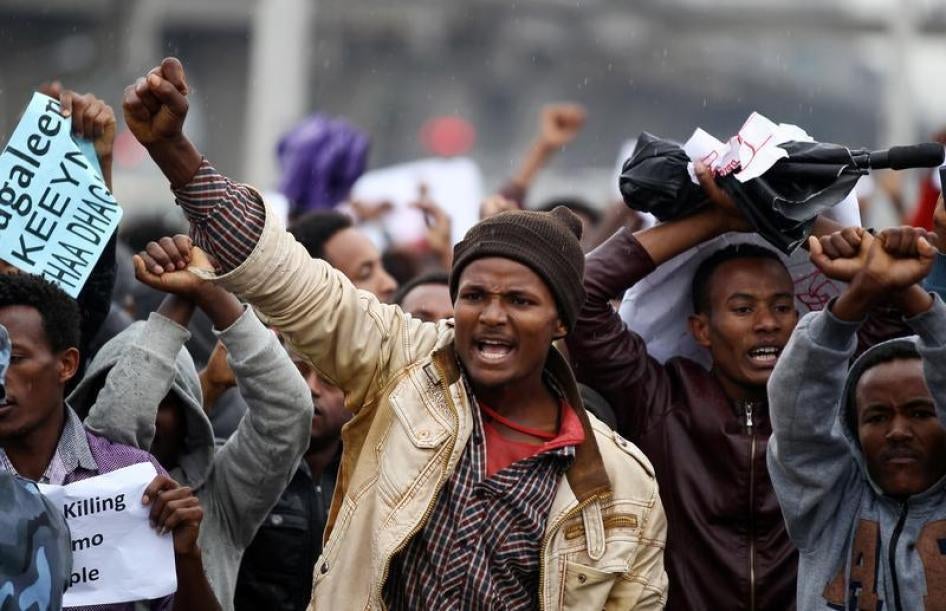
The election comes after youth-led protests in 2025 and a mass attempt by Moroccans to cross into the Spanish enclave of Ceuta in July, episodes that highlighted frustrations over economic opportunity and living standards.
Youth unemployment at the centre of the campaign
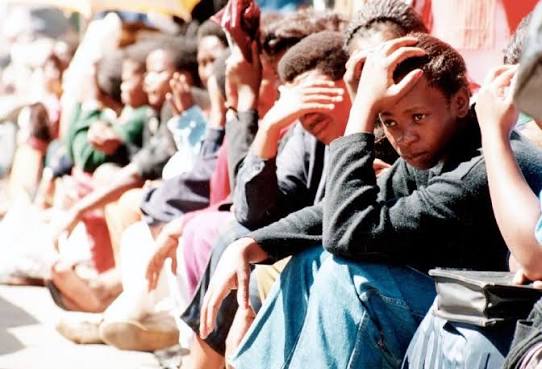
The country’s economic progress has not eliminated the difficulties facing younger Moroccans. The International Monetary Fund estimates that youth unemployment reached 37.3 percent among people aged 15–24 in 2025, while more than a quarter of young people were not in employment, education or training.
For political parties, employment has therefore become one of the clearest issues through which they are attempting to regain the attention of younger citizens.
The National Rally of Independents (RNI) and the Authenticity and Modernity Party (PAM), two parties in the governing coalition, have each placed youth employment prominently in their campaigns. Both have pledged to create about one million jobs during the next parliamentary term.
The parties have also pointed to large infrastructure investments ahead of the 2030 FIFA World Cup, which Morocco will co-host with Spain and Portugal, as part of a broader development agenda.
A generation increasingly sceptical of politics
The challenge is not simply persuading young Moroccans that employment should be a political priority. It is convincing them that elections can produce meaningful improvements.
Reuters reported that people aged 18 to 24 make up about 12 percent of Morocco’s population but only around 3 percent of registered voters. An Afrobarometer survey published in March found that only about one-third of Moroccans aged 18 to 35 expressed trust in Parliament, the head of government or political parties.
That gap between demographic importance and electoral participation is significant.
Young Moroccans have demonstrated an ability to mobilise around social and economic grievances, including through protests and online activism. But that mobilisation does not necessarily translate into participation in formal politics.
Parties turn to social media and economic promises
Campaigns are increasingly using social media to reach younger audiences, while party programmes emphasise housing, regular income, employment and purchasing power.
The PAM has framed its priorities around housing, income and what it describes as dignified work. RNI has similarly made job creation a central component of its programme.
The governing coalition — RNI, PAM and Istiqlal — is defending its record since the 2021 election, while the opposition Justice and Development Party is attempting to rebuild after its dramatic losses in that vote.
Morocco’s September 23 election will see 27 political parties compete for 395 seats in the House of Representatives, with more than 15.8 million people registered to vote.
Protests have changed the political backdrop
The election follows the youth-led “Gen Z 212” protests of 2025, when demonstrations brought grievances over employment, public services and living conditions into the national spotlight.
The July movement towards Ceuta added another dimension to the debate. Reuters reported that economic hardship and uneven development were among factors associated with the episode, although the motivations of those involved were not uniform.
For political parties, the challenge is therefore broader than winning votes. It involves addressing whether economic growth is producing opportunities that younger citizens can actually access.
Morocco has made significant investments in manufacturing, ports, railways and other infrastructure, but the persistence of high youth unemployment has created a gap between national economic progress and individual economic security.
What the election could reveal
The September 23 vote will provide an indication of whether political parties can convert promises on employment, housing and public services into renewed engagement among younger citizens.
It will also test whether young Moroccans see electoral politics as an effective channel for addressing concerns that have increasingly appeared through protests, social media activism and other forms of public expression.
Ultimately, the issue is not simply whether parties can attract young voters during the campaign. Their longer-term challenge will be demonstrating that electoral promises can translate into jobs, affordable living conditions and better public services.
With youth unemployment remaining high and trust in political institutions relatively limited, the credibility of those commitments may prove as important as the campaign slogans themselves.