oluwatosin oyeniyi
PORT LOUIS, Mauritius — Mauritius has extended overnight curfews as protests over water shortages and the rising cost of living escalate into violent unrest, raising questions about public services, police accountability and the government’s response to growing public frustration.
The unrest intensified after a police officer shot and wounded a 27-year-old woman, identified in local reporting as Élodie Thomas, on October 9. The incident fuelled public anger and added to demonstrations that had already emerged over difficulties accessing water and the pressure of household expenses.
Authorities initially imposed an overnight curfew on October 13 across the capital, Port Louis, and several other population centres. Although that first restriction ended on Wednesday morning, the government announced further curfews for Wednesday and Thursday nights, running from 8:30 p.m. to 5 a.m. the following day.
As of October 15, authorities had reported 94 arrests since the unrest began, including 16 minors and one police officer. Seven police officers had also been injured, according to a government update reported by Xinhua. Schools were scheduled to remain closed for the rest of the week, apart from institutions accommodating students taking international examinations, while public bus services were suspended during the latest restrictions.
Water shortages and rising costs fuel public anger
The protests reflect mounting frustration over essential services and household affordability in Mauritius, an Indian Ocean island nation whose economy relies heavily on tourism and financial services.
Water shortages have been a particular source of concern. Government figures published on October 14 showed that water storage in the country’s main reservoirs stood at 57.1 percent on October 8, compared with 87.4 percent during the same period in 2025. Storage at Mare aux Vacoas Reservoir, a major source of supply, had fallen to 35.7 percent.
The government has announced emergency measures to increase water availability, including bringing additional boreholes into service, strengthening water distribution and deploying tankers to affected communities. It has also outlined plans to improve treatment capacity and provide financial assistance for household water tanks and pumps.
However, the demonstrations show that official interventions have not immediately eased public frustration. When households face unreliable access to a basic necessity alongside rising living expenses, the consequences extend beyond inconvenience to daily routines, work, health and household budgets.
Police shooting becomes a flashpoint
The shooting of Thomas became a turning point in the unrest. She was reportedly travelling home from work in a minibus when she was wounded during an incident involving police in Beau Bassin-Rose Hill, southwest of Port Louis.
The officer who fired the shot has been arrested, while three other officers were suspended over allegations that they failed to assist a person whose life was in danger. The national public prosecutor’s office has called for the investigation to examine the conduct of Special Mobile Force personnel who were present during the incident.
The circumstances surrounding the shooting remain subject to investigation. The case has nevertheless intensified demands for accountability at a time when relations between some protesters and security personnel have deteriorated.
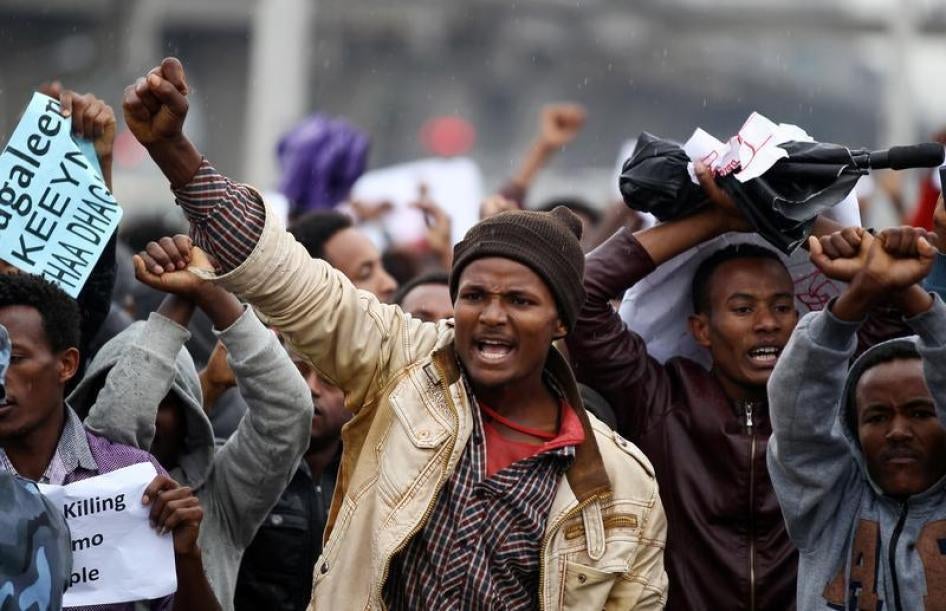
Protests have included road blockages, burning tyres, clashes with police and damage to public property. Authorities have deployed the paramilitary Special Mobile Force as they seek to restore order. Prime Minister Navin Ramgoolam has condemned the violence and warned that those responsible for destruction would face serious consequences.
Curfews and closures disrupt daily life
The extended restrictions have added another layer of disruption for residents and businesses. Schools have been ordered to close for the remainder of the week, subject to exceptions for international examinations, while public transport has faced interruptions.
The curfew extension also indicates that the government does not consider the initial return to calm sufficient to end emergency restrictions. Authorities have reported incidents including looting, arson and damage to police stations, shops and public infrastructure.
For residents, these measures create difficult trade-offs. Restrictions may help limit movement during periods of violence, but prolonged closures can also affect access to work, education, transport and essential services.
The government must therefore balance public safety with the need to keep essential services operating and communicate clearly about the areas affected, the duration of restrictions and any exemptions.
A test of public confidence
Mauritius has long been regarded as one of Africa’s more stable democracies, with tourism and financial services playing central roles in its economy. The latest unrest has challenged that image and recalled the 1999 riots, which followed the death of a popular musician in police custody.
The comparison does not mean the two episodes have identical causes. It does underline how incidents involving state authorities can become catalysts for wider anger when communities are already dissatisfied with their circumstances.
Containing the immediate violence is only one part of the challenge. The government must also address water shortages, explain how its emergency supply measures will improve access, and ensure that the police shooting is investigated transparently.
Public trust will depend in part on whether accountability is demonstrated in practice and whether residents see tangible improvements in essential services. Arrests and curfews may restore short-term order, but they cannot resolve the underlying concerns that brought people onto the streets.
For Mauritius, the path out of the crisis will require both effective public-safety measures and credible action on the cost of living and access to water. The latest developments show that restoring calm and rebuilding confidence are related but distinct tasks.