oluwatosin oyeniyi
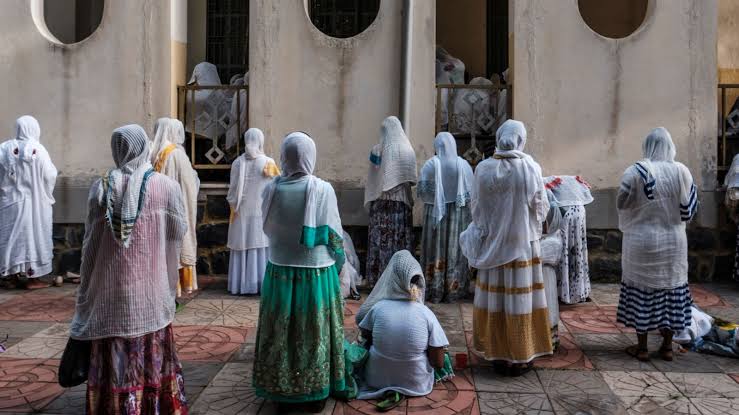
ADDIS ABABA, Ethiopia — At least 60 people have been killed in two attacks in Ethiopia’s Oromia region, according to the Ethiopian Orthodox Tewahedo Church, as conflicting allegations over responsibility raise further concerns about civilian safety in the conflict-affected area.
The Church’s Holy Synod said 14 people were killed in Merti district on October 20, while another 46 died in Shirka district on October 24. More than 20 people reportedly sustained serious injuries, and over 20 homes were burned. The perpetrators and motives have not been independently established.
The killings occurred in the Arsi Zone of Oromia, Ethiopia’s largest regional state, where insecurity and armed violence have repeatedly threatened communities. The Church condemned the attacks and called on government authorities to strengthen civilian protection and bring those responsible to justice.
Conflicting accounts over responsibility
The Oromia regional government has blamed a newly formed rebel alliance linked to armed groups from the northern Tigray region, alleging that the attacks were intended to provoke religious conflict. However, the government has not provided publicly available evidence establishing that claim.
A source connected to the alliance, meanwhile, accused the regional government of carrying out the killings, citing conversations with local residents. That allegation has also not been independently verified. The Oromo Liberation Army (OLA), an armed group previously accused by Ethiopian authorities of attacks on Orthodox Christians, did not immediately respond to a request for comment on the latest incidents.
The competing claims complicate efforts to establish what happened and who was responsible. The Church identified the victims as Orthodox Christians but did not name the perpetrators in its statement.
Independent investigations and credible evidence will be important to determine responsibility, establish the circumstances of the attacks and prevent unverified allegations from further inflaming tensions.
A region facing persistent insecurity
Oromia has experienced years of violence involving government forces and armed groups, including the OLA, which says it is fighting for greater rights for the Oromo people. The conflict has contributed to civilian deaths, displacement and recurring concerns about the safety of rural communities.
The latest attacks also come amid reports of repeated killings and abductions in parts of the Arsi Zone. Earlier in October, local sources reported at least six deaths and five abductions in attacks in Shirka and Honkolo Wabe districts between October 12 and 17. Those incidents preceded the two attacks cited in the Church’s latest statement.
The pattern of violence has placed pressure on authorities to improve security and respond to warnings from communities. For residents, the consequences extend beyond the immediate loss of life to include damaged homes, serious injuries, fear of further attacks and possible displacement.
Although the latest reports identify Orthodox Christians among the victims, establishing the circumstances of each incident remains essential. Religious identity, ethnic tensions and the presence of armed groups can make local violence particularly sensitive, especially when allegations are circulated before investigations are complete.
Church calls for protection and accountability
The Ethiopian Orthodox Tewahedo Church has urged federal and regional authorities to condemn the killings, protect residents and ensure that those responsible face justice.
The Church also announced plans for memorial prayers and further engagement with government officials over the security situation. Its leadership has expressed concern about recurring attacks against Orthodox Christian communities and the destruction of property.
The response from authorities will be important in determining whether affected communities receive meaningful protection and whether the incidents are investigated transparently. Immediate priorities include medical care for the injured, support for families who have lost relatives, assistance for people whose homes were destroyed and measures to reduce the risk of further attacks.
A credible investigation should establish the facts without presuming guilt, while ensuring that witnesses and affected residents can provide information safely. Public communication should also distinguish verified findings from allegations that remain unproven.
The wider implications
The deaths highlight the continuing difficulty of protecting civilians in areas affected by armed conflict and competing political claims. When attacks occur amid unresolved insecurity, the absence of clear and trusted findings can deepen mistrust between communities and authorities.
For Ethiopia, preventing further violence in Oromia will require more than statements of condemnation. Effective protection, impartial investigations, accountability and sustained engagement with affected communities are essential to restoring confidence and reducing the risk of retaliation.
At least 60 people are reported dead in the two October attacks, but key questions remain unanswered. Until credible investigations establish responsibility, competing accusations should be treated with caution.
The immediate challenge is to protect survivors and other residents, support bereaved families and establish the facts without allowing unverified claims to fuel further violence.