deshola
 The world is approaching a dangerous inflection point, one that history has warned us about repeatedly and paid for in blood. The invasion of Venezuela and the subsequent capture of Nicolás Maduro mark more than a geopolitical intervention. They represent a collapse of restraint in the international system, a moment when raw power is exercised without clear, universally defensible limits.
Once such a door is opened, history teaches that there is rarely a safe retreat.
For decades, global order rested on an imperfect but vital distinction. Legitimacy could be challenged without sovereignty being erased. Sanctions, indictments, diplomatic isolation, and multilateral pressure allowed the international community to contest abuses while preserving the foundational idea that borders and governments were not disposable conveniences. That distinction has now been dangerously blurred.
In crossing that line, the United States has quietly surrendered one of its most powerful assets, moral and intellectual persuasion. What replaces it is not clarity or justice, but precedent, elastic, dangerous, and ripe for abuse. The precedent is simple and chilling. A nation may invade another and seize its leader under fluid justifications of criminality, morality, or global security.
The argument that Maduro deserved this fate is not only shallow. It is perilously lazy. It substitutes moral outrage for principled analysis and blinds us to the broader consequence. It allows society to avoid the only question that truly matters. What happens when everyone adopts this logic?
International law was never built on the assumption that leaders are saints. It was built on the recognition that power, left unconstrained, devours restraint. The moment legality is defined by the character of the target rather than the process employed, law ceases to be law. It becomes narrative. Narratives are easily rewritten by those with superior force.
Supporters of this intervention insist it is an exception, a unique case justified by extraordinary circumstances. History is littered with the ruins of such assurances. Exceptions do not remain isolated. They metastasize. They become templates. They invite imitation.
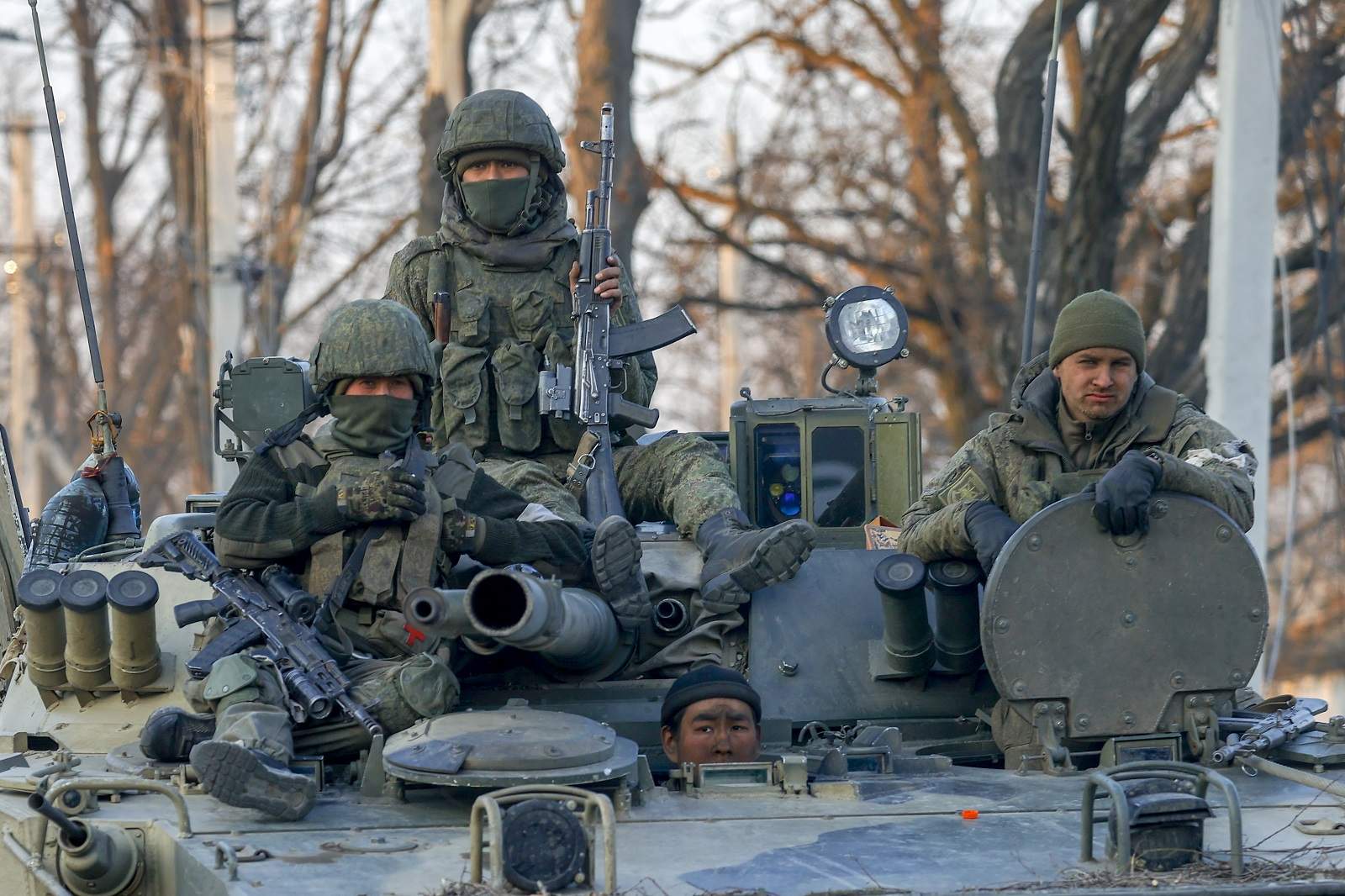
If regime capture by force is now acceptable, what restrains China from invoking similar logic over Taiwan? What prevents Russia from extending its claims deeper into Ukraine or beyond, arguing that its targets are illegitimate, criminal, or destabilizing? What stops other regional powers from asserting their own moral rationales for invasion when convenience demands it?
The answer, increasingly, is nothing.
The danger here is not simply escalation. It is normalization. When power replaces principle, conflict becomes easier to justify, harder to condemn, and nearly impossible to contain. The guardrails that once slowed descent, diplomacy, multilateralism, institutional legitimacy, erode not in dramatic collapse, but in quiet acquiescence.
This is how international systems fail. Not with a single catastrophic decision, but with a series of precedents defended as necessary, moral, or inevitable.
Equally troubling is the intellectual erosion accompanying this shift. The willingness to reduce complex questions of sovereignty, legality, and global order to the personal villainy of individual leaders is a form of strategic infantilism. It allows societies to feel righteous while abandoning the discipline required to sustain stability. It confuses justice with vengeance and substitutes force for legitimacy.
A world governed by such thinking is not safer. It is more volatile. It is a world in which force precedes justification, legality is constructed after the fact, alliances are transactional, rules are conditional, and restraint is dismissed as weakness.
History offers no examples of such systems ending well.
The postwar international order, flawed as it was, rested on a shared understanding. The costs of unrestrained power outweighed the temptations of immediate victory. That understanding is now fraying. What replaces it is a crude hierarchy of strength, where sovereignty is provisional and survival depends on proximity to power.
The most troubling question before the world is not whether Maduro was immoral or criminal. Many leaders are. The real question is whether the international community still believes that law must bind even those capable of ignoring it.
If the answer is no, then we should dispense with the language of order altogether and speak honestly about what is emerging. A managed chaos, punctuated by force, justified by convenience, and governed by whoever strikes first with the strongest hand.
That world does not drift toward peace. It accelerates toward confrontation.