deshola
 Nearly 1,000 days into its civil war, Sudan is staring at one of the most severe humanitarian crises in modern history. United Nations agencies warn that 33.7 million people roughly two-thirds of the population will need humanitarian assistance this year, while more than 20 million require health care and 21 million face acute food insecurity as fighting continues to decimate both infrastructure and services. The country’s health system teeters on collapse, displacement has reached unprecedented levels and disease is spreading as conditions worsen.
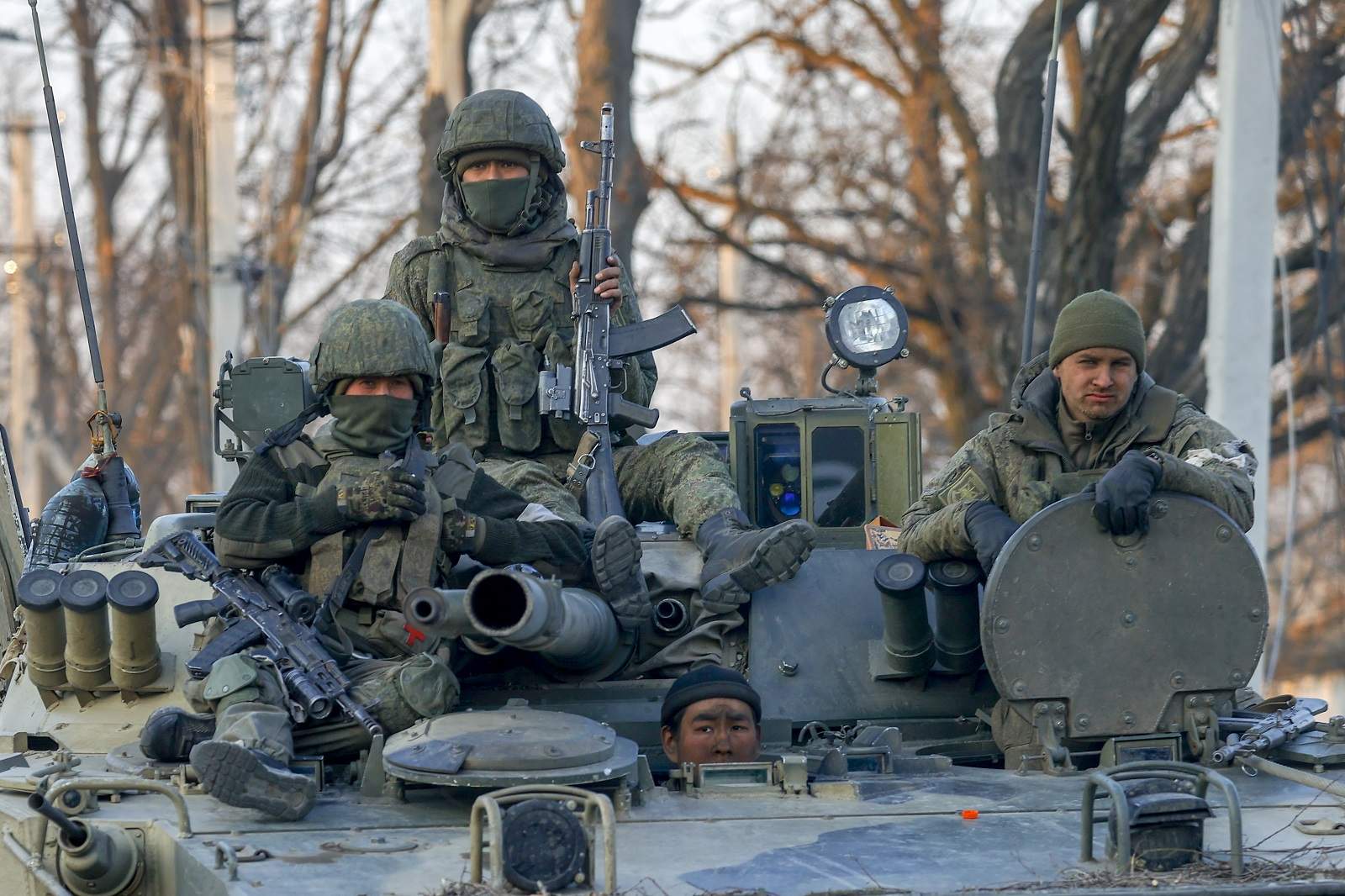
The conflict, which erupted in April 2023 between the Sudanese Armed Forces and the Rapid Support Forces, has fractured state institutions, shuttered medical facilities and driven civilians from their homes. An estimated 13.6 million people are uprooted either within Sudan or across its borders, making it the largest displacement crisis worldwide. Worsening this humanitarian emergency, basic services such as sanitation, clean water and routine immunisation have broken down, creating fertile ground for outbreaks of cholera, malaria, dengue and measles.
Against this backdrop of hunger and disease, how the international community and African governments respond could mean the difference between limited relief and genuine, durable stability.
Immediate needs: aid access and health delivery
In the short term, the most pressing challenge is restoring unimpeded humanitarian access. Conflict has restricted aid convoys from reaching key population centres, particularly in Darfur and Kordofan, where food shortages are most acute. Humanitarian actors consistently call for safe corridors to deliver food, medicine and clean water, essential not only to save lives but to prevent secondary crises such as epidemics and malnutrition.
Strengthening health service delivery must be paired with security guarantees. More than one-third of Sudan’s health facilities remain non-functional. Without protection for clinics and medical staff, the health system cannot recover. Embedding health services within broader ceasefire negotiations and peace discussions would ensure humanitarian operations are not treated as partisan actors but as neutral lifelines for civilians.
Regional cooperation and burden-sharing
Sudan’s crisis is not contained within its borders. Millions of displaced Sudanese have fled to neighbouring countries including Chad, South Sudan, Ethiopia and Egypt straining already limited resources and social services in host communities. These neighbours, alongside regional blocs such as the African Union and Intergovernmental Authority on Development (IGAD), bear a disproportionate share of the burden. Pooling resources through regional humanitarian response funds, and coordinating food and shelter assistance across borders, can relieve pressure on frontline states while also fostering a more unified African approach to displacement.
Linking relief with protection and reintegration
Humanitarian aid must be coupled with frameworks that protect displaced populations and offer pathways to reintegration once conditions stabilise. Protection mechanisms should address not just food and medical needs but also threats to safety, including gender-based violence and the exploitation of refugees. International law obliges states to safeguard people fleeing conflict, and stronger enforcement of these norms will uphold dignity while deterring abuses.
Tackling the root causes: ceasefire and political dialogue
No amount of aid can substitute for a credible political settlement. UN agencies and humanitarian partners routinely link escalating hunger and disease outbreaks to prolonged conflict and restricted access. Parties to the conflict must be pressured through both diplomacy and conditional support mechanisms to implement, respect and maintain ceasefires that allow for unimpeded humanitarian operations. International mediators, including the African Union and the United Nations, should renew efforts to bring key stakeholders to the negotiating table with a clear emphasis on accountability and civilian protection.
Financing the response
To date, international funding pledges for Sudan’s humanitarian appeal have fallen well short of needs. The UN’s own humanitarian plan remains significantly underfunded, leaving millions without adequate support. A deliberate effort by donor states including targeted contributions from African governments and regional financial institutions is essential to close the gap and sustain operations through 2026 and beyond.
Sudan’s crisis is a stark reminder that armed conflict and humanitarian disaster are deeply intertwined. Saving lives today depends on both immediate relief and political initiative. If global and African leaders can align short-term responses with long-term strategies from safe aid corridors to inclusive peace negotiations there is potential to avert further catastrophe and begin restoring safety and stability for millions of Sudanese.
Whether this moment becomes a turning point will depend less on statements of concern and more on coordinated action that prioritises human security, regional cooperation and sustained investment in the systems that keep societies healthy and whole.