deshola
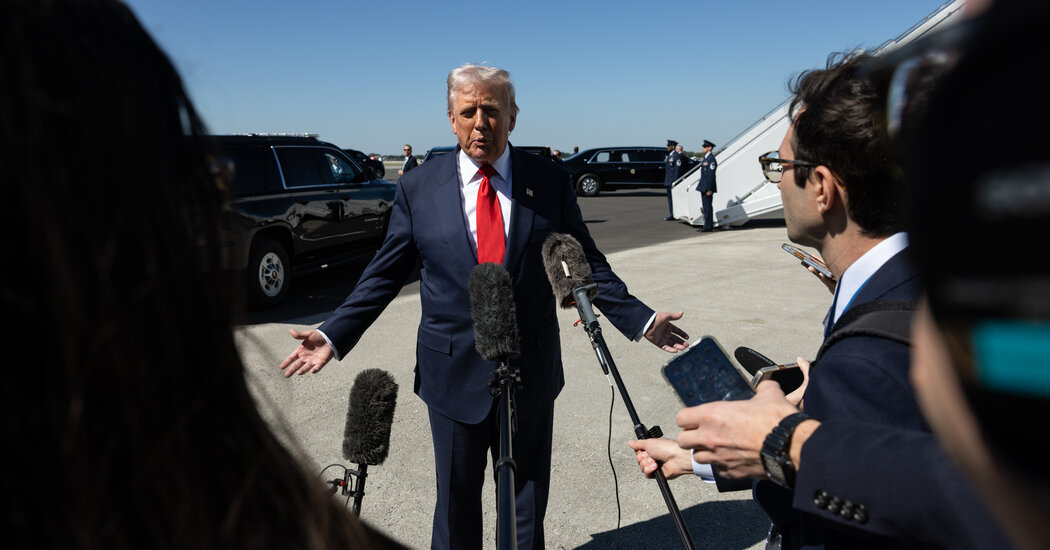
 When former U.S. President Donald J. Trump described Somalis as “garbage,” declaring the country as one that “stinks” and its people unwelcome in the United States, the remarks landed as more than an insult. They struck at dignity. Across Somalia and its far-flung diaspora, the reaction was immediate, visceral, and revealing.
Predictably, many condemned the language as racist and dehumanising. But beyond anger, the episode exposed a deeper unease, not only about how Somalia is viewed abroad, but about how the country defines itself, defends itself, and confronts its own unfinished statehood.
In Mogadishu and other cities, frustration was directed as much inward as outward. For many citizens, the government’s cautious response felt inadequate. Silence, or careful diplomatic equivocation, was interpreted as a failure to defend national dignity. Sovereignty, they argued, must be asserted, not assumed.
Community elders were particularly direct. The language deployed against Somalis violated cultural values rooted in honour, hospitality, and respect. These are values Somalis expect their leaders to uphold even in moments of provocation. To fail to do so risks signalling not restraint, but resignation.
Yet this moment also prompted something rarer than outrage: introspection.
Among Somalis at home and abroad, there has been an uncomfortable acknowledgement that while the insult was gratuitous, it drew force from a global perception problem Somalia itself has struggled to correct. Decades of political instability, corruption, insecurity, and displacement have hollowed out institutions and weakened the state’s capacity to shape its own narrative.
This does not excuse contempt. But it does expose vulnerability. Nations with strong institutions, coherent leadership, and visible progress are harder to caricature. Those without are more easily dismissed.
For some voices within Somalia and the diaspora, the episode became a call to urgency. Weak governance, prolonged political fragmentation, and stalled reforms do not merely impair domestic life. They erode national standing. They leave the country exposed not only to external criticism, but to the deeper harm of being defined entirely by others.
The Somali diaspora has been especially reflective. Across North America, Europe, and the Middle East, Somali communities have long challenged stereotypes through enterprise, professional success, and civic contribution. This moment has sharpened the case for more deliberate engagement: promoting fuller narratives of Somali achievement, resilience, and innovation, and countering the reduction of an entire people to a single, distorted image.
But narrative repair alone is insufficient. Image follows substance. Respect abroad ultimately rests on credibility at home.
What emerges from this episode is not merely a demand for condemnation, but for coherence. A united and dignified government response matters not because words alone will restore respect, but because leadership sets tone. When the state speaks clearly, it affirms self-worth. When it hesitates, it invites dismissal.
The incident also underscores the urgency of accelerating national reforms. Strengthening institutions, improving security, delivering basic public services, and restoring confidence in governance are not abstract goals. They are the foundations of sovereignty in a world that judges states less by history than by performance.
There is also a quieter argument taking shape among Somalis: dignity is best asserted without theatrics. Anger is understandable, but endurance requires resolve. Responding with restraint, seriousness, and institutional confidence is itself an assertion of identity.
Trump’s remarks were crude and inflammatory. But they revealed something deeper. Somalia’s challenge today is not only external disrespect, but the internal conditions that allow such disrespect to carry weight.
Moments like this test nations. They can deepen despair, or sharpen purpose. Somalia’s response suggests a growing recognition that dignity is not granted by others. It is built, defended, and sustained from within.
The task, now clearer than ever, is to ensure that the world’s judgments are no longer shaped by insult, but eclipsed by evidence of progress, unity, and a state determined to define itself on its own terms.