deshola
Somalia’s federal government has forcefully condemned Israel’s formal recognition of Somaliland as an independent state, describing the decision as a “naked invasion” and a violation of the country’s territorial integrity. President Hassan Sheikh Mohamud told an emergency joint session of parliament that Israel’s move was the “greatest abuse” of Somali sovereignty in recent history and warned it could import broader conflict into the Horn of Africa.
The episode began on December 26, 2025, when Israeli Prime Minister Benjamin Netanyahu announced that Israel would become the first United Nations member state to recognise the self-declared Republic of Somaliland, which has operated with de facto autonomy since 1991 but had never before secured international recognition. The Israeli government framed its decision as part of broader diplomatic outreach, with plans for cooperation on agriculture, technology and other sectors, and aligned with its pattern of normalisation efforts under the Abraham Accords.
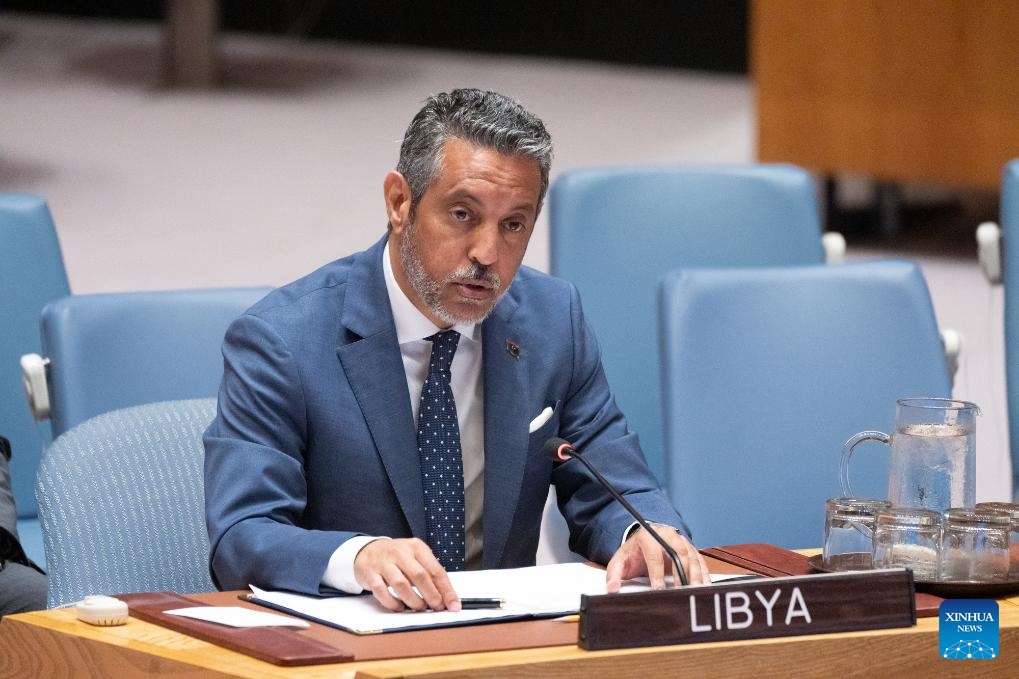
Somalia’s response was swift and unified. In a session convened shortly after the announcement, lawmakers unanimously declared the recognition “null and void” and directed their government to pursue diplomatic, legal and political remedies through the United Nations, African Union, Arab League and other regional bodies. The Somali leadership insists Somaliland remains an “integral, inseparable, and inalienable part” of Somalia under both domestic and international law.
Across Somalia, public outrage has translated into mass protests. Tens of thousands of people rallied in the capital, Mogadishu, and other cities, denouncing the Israeli move as an assault on national unity and territorial integrity. Demonstrators waved Somali flags and called for solidarity against external interference. Religious leaders and political figures cast the recognition as a direct affront to the Somali state and its people.
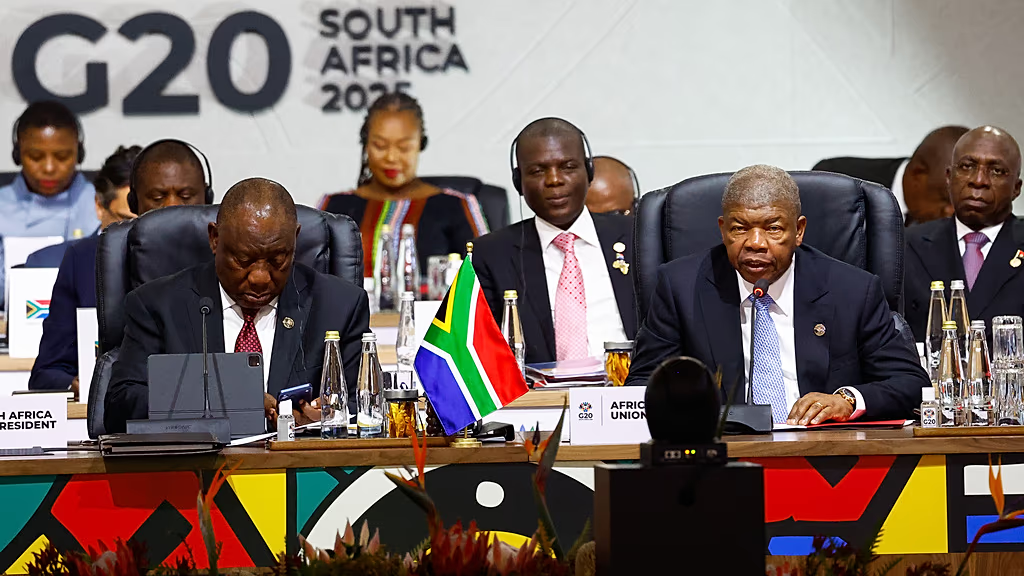
The backlash has not been confined to Mogadishu. A wide array of regional and international actors have also weighed in. The African Union, Arab League and a coalition of more than 20 countries issued statements condemning the recognition as inconsistent with international law and a dangerous precedent for sovereignty norms. Turkey’s President Recep Tayyip Erdogan joined Somalia in criticising the move as “illegal and unacceptable,” warning that it could destabilise the Horn of Africa.
Underlying the diplomatic furor are deeper strategic anxieties. Somalia’s leaders and diplomats argue that recognition of Somaliland could embolden secessionist movements elsewhere in Africa and undermine the continent’s longstanding commitment to uphold colonial-era borders. Officials have also voiced concerns about potential military and geopolitical implications, including possible foreign military footprints near the Bab el-Mandeb strait, a chokepoint for global maritime traffic
Somaliland’s government welcomed Israel’s recognition as a historic breakthrough, with its leaders portraying it as a step toward broader international acceptance. Yet this position is not universally held within the region; reactions among Somaliland residents have been mixed, with some communities expressing ambivalence or opposition to the new diplomatic posture.
The dispute underscores the fragility of current regional dynamics. Somalia remains locked in a protracted struggle against insurgent groups such as al-Shabaab, even as it seeks to reaffirm national unity. At the same time, global powers are increasingly attentive to the strategic significance of the Horn of Africa , a nexus of shipping routes, security interests and geopolitical competition.
In pressing its case internationally, Somalia is staking not only a claim to sovereign territory but also a broader argument about how statehood and territorial integrity should be managed in an era of shifting alliances. The urgency of that argument will be tested in the coming weeks as diplomatic engagements unfold at the United Nations and beyond.