deshola
 MAPUTO / GENEVA -Nearly 100,000 people have been forced to flee their homes in northern Mozambique in recent weeks as violence spreads beyond the historical conflict zones, deepening a massive displacement and humanitarian crisis. Schools, churches and open spaces in destinations such as Nampula Province previously regarded as relatively safe are now crowded with newly displaced families, many arriving after walking for days under threat.
This is the fourth large-scale movement of internally displaced people in recent months, pushing already fragile host communities to the breaking point. Since the violence began in 2017 in Cabo Delgado province, the total number of displaced has surpassed 1.3 million.
Humanitarian Response Under Strain; What Can Be Done?
The main humanitarian agency involved, UNHCR, has warned that many shelters are already overcrowded, sanitary conditions are deteriorating, and the lack of funding threatens to force people back into unsafe areas.
To address this, it is vital that:
Emergency housing and basic services like clean water, sanitation, food, medical care be rapidly expanded to meet the needs of displaced families.
Donors and governments step up funding: UNHCR estimates that about US $40 million will be needed next year to respond effectively, but current funding covers only about half of that amount.
Host communities should receive support too, strengthening local infrastructure (schools, clinics, water, sanitation) helps absorb the influx and prevents tensions.
Medium-Term Path(Protection, Health and Livelihoods)
Beyond emergency aid, displaced populations require sustained care: health services (including for maternal and child health), nutritional support, mental-health and trauma counselling, especially for children and women exposed to violence. Past displacement waves have shown steep rises in disease risk and malnutrition when aid lags.
Additionally, protection; especially for vulnerable groups such as women, children, the elderly, and people with disabilities must be guaranteed: safe shelters, access to documentation, and family-reunification efforts. Durable livelihoods programs vocational training, cash-for-work, small-scale agriculture or business support are critical to help families rebuild their lives and reduce dependency on aid.
Long-Term Strategy (Stability, Prevention, and Resilience)
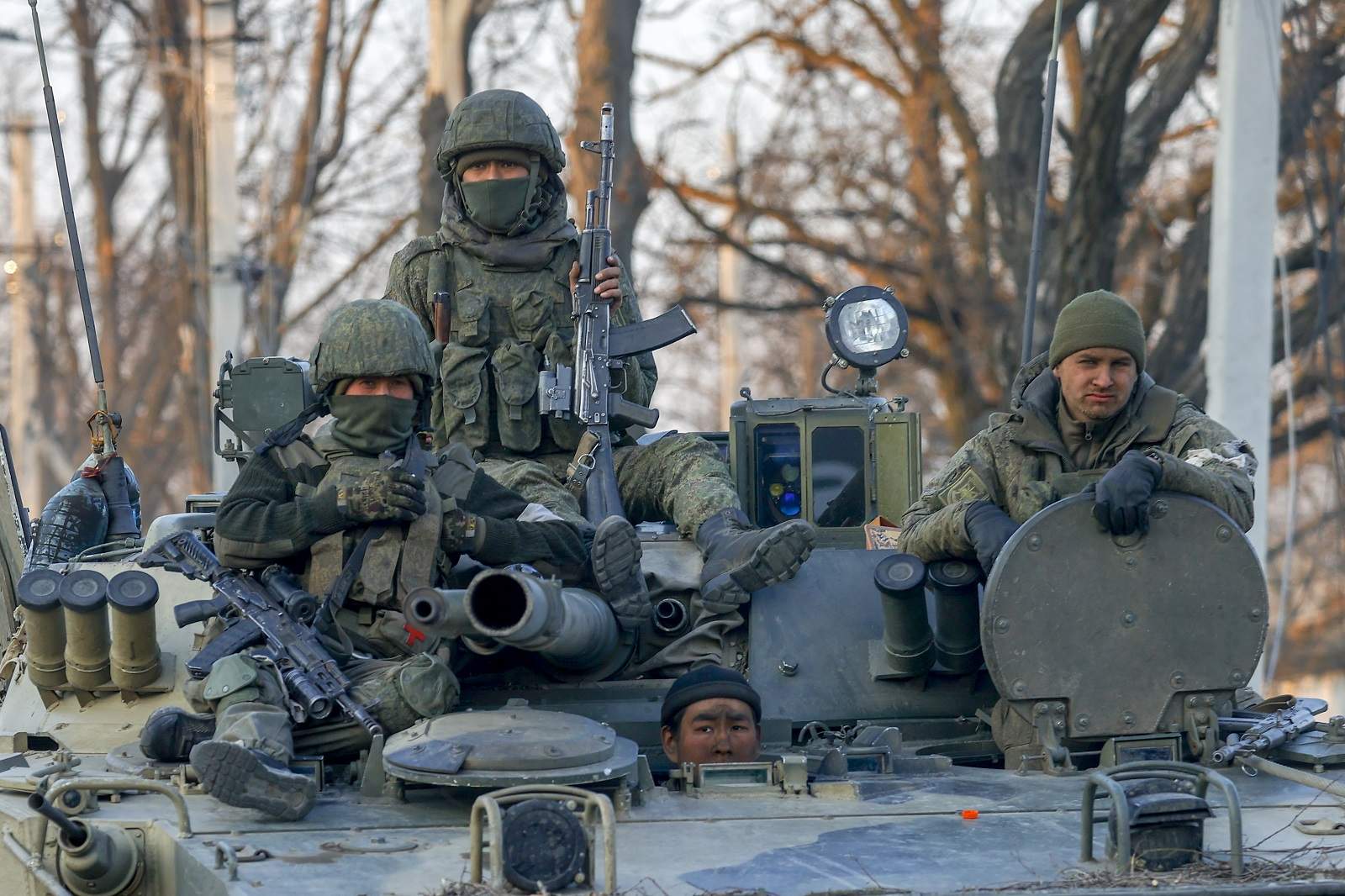
At the root of the crisis is persistent armed violence by non-state insurgent groups, which continues to destabilize communities. Addressing this demands a comprehensive security and peacebuilding strategy including community dialogue, inclusive governance, and measures to prevent radicalization and protect civilians.
Simultaneously, future humanitarian and development planning should integrate disaster-risk resilience: better infrastructure, safe housing, economic diversification, and robust social services can help communities withstand not only conflict, but also climate- and disaster-related shocks.
Crucially, a coordinated long-term plan involving national authorities, international agencies, donors, and affected communities must be developed and implemented. Transparent needs assessments, data-driven aid allocation, and continuous monitoring will be key to avoid neglect once media attention fades.
What the International Community and Individuals Can Do
Mobilize resources: Governments, NGOs, and donors must fulfill funding pledges to scale up aid immediately.
Advocate and raise awareness: Keep global and regional attention on the crisis to sustain momentum for humanitarian assistance.
Invest in development and peacebuilding: Support efforts that foster long-term stability, resilience, and economic opportunity.