deshola
 The escalating conflict in eastern Democratic Republic of Congo (DRC) has renewed fears that violence could spiral into a broader regional war, prompting calls from African leaders, analysts, and international partners for urgent political and security solutions.
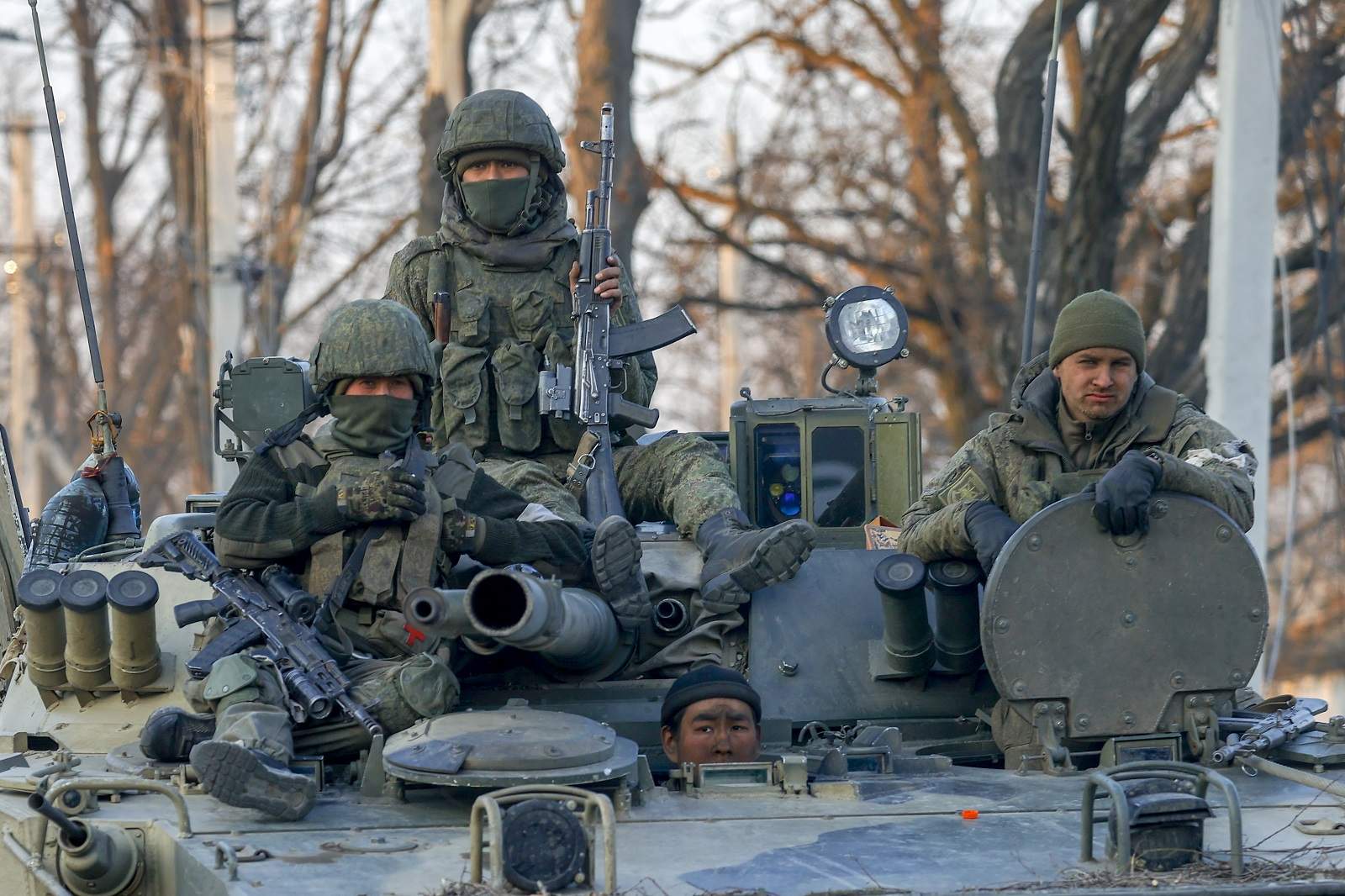
Fighting between Congolese forces and armed groups, including the M23 rebellion, has intensified in recent months, displacing thousands of civilians and straining relations between the DRC and its neighbours. The unrest has raised concerns that regional actors could be drawn into the conflict, destabilising the already fragile Great Lakes region.
Analysts say preventing a wider war will depend less on military escalation and more on addressing the political and structural drivers of the crisis.
Push for diplomacy and inclusive dialogue
Regional leaders are increasingly emphasizing diplomacy over force. Mediation efforts led by African regional blocs have called for renewed ceasefires and inclusive political dialogue involving the Congolese government, armed groups willing to negotiate, and affected communities in eastern Congo.
Observers argue that past peace deals failed because they excluded local voices and did not address long-standing grievances over political representation, land rights, and ethnic tensions. A renewed dialogue process, they say, must focus on reintegration of former fighters, decentralised governance, and guarantees for civilian protection.
Regional cooperation seen as critical
The risk of spillover has made regional cooperation a central focus of peace efforts. Organisations such as the African Union (AU), the East African Community (EAC), and the Southern African Development Community (SADC) have urged restraint and coordination among neighbouring states.
Security experts say joint monitoring mechanisms and neutral peacekeeping deployments could help reduce cross-border tensions and prevent the conflict from turning into a proxy war. Improved coordination on refugee management and border security is also seen as vital to regional stability.
Security reform and rule of law
Within the DRC, attention is turning to the need for security sector reform. Analysts note that weak state authority in eastern provinces has allowed armed groups to operate with impunity for decades.
Strengthening the professionalism and accountability of the Congolese army and police, alongside restoring civilian trust in state institutions, is viewed as essential to reducing reliance on militias. Expanding access to justice and ending cycles of revenge attacks are also seen as key to long-term stability.
Humanitarian and economic response
The conflict has deepened one of Africa’s worst humanitarian crises, with millions displaced and access to food, healthcare, and education severely disrupted. Aid agencies warn that without sustained humanitarian assistance and development investment, violence will continue to find fertile ground.
Development specialists argue that rebuilding infrastructure, supporting livelihoods, and regulating the exploitation of mineral resources could reduce incentives for armed mobilisation and help stabilize conflict-affected communities.
International role under scrutiny
International actors, including the United Nations and key global powers, continue to support mediation efforts. However, analysts stress that diplomacy must be paired with accountability mechanisms to ensure ceasefire violations carry consequences.
Calls are growing for stronger monitoring of armed groups and for regional and international partners to align economic and diplomatic pressure with peace objectives.
A narrow window to avert escalation
As violence persists, diplomats warn that the window to prevent a regional conflict is narrowing. While military solutions have repeatedly failed in eastern Congo, there is cautious optimism that coordinated diplomacy, regional cooperation, and internal reforms could still avert a wider war.
For many observers, the message is clear, preventing the DRC crisis from becoming a regional conflict will require political courage, sustained engagement, and a shift from short-term security responses to long-term peacebuilding.