oluwatosin oyeniyi
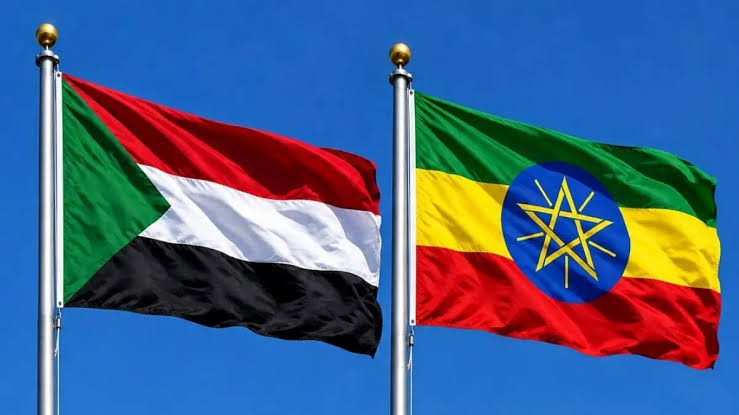
KHARTOUM, Sudan — Sudan’s government has rejected Ethiopia’s proposal to host an inclusive dialogue involving Sudanese political, civilian and conflict stakeholders, accusing Addis Ababa of lacking the neutrality required to facilitate negotiations aimed at ending the country’s prolonged war.
The rejection followed an initiative announced by Ethiopian Prime Minister Abiy Ahmed on November 24, offering to host and facilitate a comprehensive dialogue involving Sudanese parties. Sudan’s authorities, however, argued that Ethiopia’s alleged support for the Rapid Support Forces (RSF) and claims of drone operations launched from Ethiopian territory undermine its credibility as a mediator.
In a statement carried by Sudan’s state news agency, the government said neutrality and respect for Sudan’s sovereignty were essential conditions for any country seeking to facilitate negotiations. It urged the African Union (AU) and other regional and international bodies to exclude Ethiopia from arrangements to host or facilitate the proposed dialogue.
Sudan questions Ethiopia’s neutrality
Sudan’s rejection centres on allegations that Ethiopia has supported the RSF, the paramilitary force fighting Sudan’s military since April 2023.
Sudanese authorities have accused Ethiopia of providing support to RSF fighters and allowing drones to be launched from its territory to target Sudanese military positions, particularly amid fighting in Blue Nile State.
The Sudanese government has maintained that these allegations undermine Ethiopia’s ability to serve as an impartial mediator in negotiations involving the country’s warring parties.
It also called for an independent investigation into the allegations and said it reserved the right to pursue diplomatic and legal measures to protect its sovereignty.
Ethiopia has previously rejected accusations of involvement in Sudan’s conflict, describing claims made by Sudanese military authorities as unfounded. The allegations of military support and drone operations have not been independently established, and the competing claims remain part of the broader diplomatic tensions between the neighbouring countries.
Sudan’s position reflects its insistence that any mediation effort must be conducted by a country it considers sufficiently impartial and respectful of its sovereignty.
Ethiopia’s proposed dialogue
Abiy Ahmed announced the initiative on November 24, presenting Ethiopia as a potential host and facilitator of an inclusive Sudanese dialogue intended to encourage political engagement and support efforts to end the conflict.
The Ethiopian Prime Minister’s Office said the country would maintain an equal distance from all parties and that Sudan’s future should be determined by Sudanese people.
The proposal was welcomed by two Sudanese political formations, the civilian Sumoud alliance led by former prime minister Abdalla Hamdok and the self-declared Government of Peace associated with the RSF-led Tasis alliance.
Their support suggested that some political stakeholders were willing to engage with the proposed initiative, although the Sudanese government’s rejection has complicated efforts to establish the dialogue.
The initiative comes amid several international and regional attempts to secure a ceasefire, facilitate humanitarian access and develop a political framework for ending Sudan’s war.
However, disagreements over mediators, participation, security arrangements and the political future of Sudan continue to complicate efforts to establish a negotiation process acceptable to the country’s principal stakeholders.
Regional tensions complicate Sudan’s peace efforts
The rejection of Ethiopia’s proposal comes amid broader tensions between Khartoum and Addis Ababa involving border disputes, security concerns and disagreements over water resources.
The two countries have long been involved in disputes over sections of their shared border, particularly the fertile Al-Fashaga area, where agricultural land and competing territorial claims have contributed to tensions.
Relations have also been shaped by disagreements surrounding Ethiopia’s Grand Ethiopian Renaissance Dam (GERD) on the Blue Nile, which has generated concerns in Sudan and Egypt over water management, downstream flows and regional water security.
These disputes have increasingly intersected with Sudan’s internal conflict, making relations between the neighbouring countries more sensitive.
On November 24, Sudan and Egypt also issued a joint statement in Cairo rejecting the militarisation of the Red Sea and reaffirming their positions on water security, reflecting the broader diplomatic issues shaping regional relations.
The overlapping security, border and water disputes have complicated efforts to build regional consensus around Sudan’s conflict and the diplomatic mechanisms required to address it.
Sudan’s war and the search for a political settlement
Sudan’s conflict began in April 2023 following a breakdown in relations between the Sudanese Armed Forces (SAF), led by General Abdel Fattah al-Burhan, and the RSF, led by Mohamed Hamdan Dagalo, widely known as Hemedti.
The conflict has developed into a devastating war characterised by widespread displacement, destruction of infrastructure, civilian casualties, humanitarian crises and the disruption of essential services.
Millions of people have been displaced within Sudan or forced to flee to neighbouring countries, while humanitarian organisations continue to face difficulties delivering assistance to affected communities.
International and regional actors have sought to facilitate ceasefires, humanitarian access and political negotiations. The United States, Saudi Arabia, the United Arab Emirates and Egypt have also been involved in diplomatic initiatives aimed at addressing the conflict.
However, mediation efforts have faced repeated obstacles, including disagreements over ceasefire arrangements, the role of external actors, military commitments and the political structures that could emerge after the conflict.
Sudan’s rejection of Ethiopia’s initiative adds another complication to the diplomatic landscape, particularly as regional actors increasingly become involved in efforts to influence or facilitate negotiations.
African Union mediation and the challenge of finding an acceptable host
Sudan’s request for the African Union to exclude Ethiopia from facilitating the proposed dialogue highlights the challenges facing African-led peace initiatives.
Regional mediation efforts often depend on the willingness of conflict parties to accept the facilitators, the proposed venue and the framework for negotiations. When governments question the neutrality of a mediator, the credibility and participation necessary for dialogue can become difficult to secure.
Sudan has called for the choice of venue and facilitator to reflect the consensus and free will of Sudanese stakeholders, rather than being imposed by external actors.
The African Union and other regional organisations may therefore face the challenge of identifying alternative mediation arrangements capable of securing broader acceptance among Sudanese political and conflict stakeholders.
The rejection does not necessarily mean that Sudan is opposed to dialogue itself. Rather, it underscores the government’s objections to Ethiopia’s role in the proposed process and its demand for a mediator it considers neutral.
What happens next?
Sudan’s rejection leaves Ethiopia’s proposed dialogue uncertain and places renewed pressure on regional and international diplomatic actors to identify alternative avenues for negotiations.
The African Union’s response, the positions of Sudanese political formations and the willingness of the country’s warring parties to participate in other mediation initiatives will influence the prospects for future dialogue.
The dispute also highlights the increasingly regional dimension of Sudan’s war, where diplomatic disagreements, allegations of external involvement and competing strategic interests among neighbouring countries can complicate efforts to establish peace.
For Sudan, the immediate challenge remains ending the conflict, addressing the humanitarian crisis and establishing a political process capable of restoring stability.
For the wider region, the rejection underscores the importance of diplomatic coordination and confidence-building among neighbouring countries, particularly as the conflict continues to affect security, displacement and political stability across the Horn of Africa and the broader region.
Until a mediation framework acceptable to the principal stakeholders is established, efforts to secure a negotiated settlement are likely to remain difficult.