deshola
 France is scrambling to hold on to its economic relevance in Africa. Once the dominant commercial partner across much of Francophone Africa, Paris now finds itself overtaken by China, edged out by Turkey and India, and steadily losing ground in markets it once treated as secure. That anxiety is driving a renewed French push into African trade, investment and diplomacy not out of generosity, but out of necessity.
Recent figures show the scale of the slide. France’s share of African imports has fallen to just over four percent, a sharp drop from its position two decades ago. China alone now controls about 17 percent of the continent’s market, with India, the United States and a growing number of Middle Eastern and Asian players also expanding fast. For Paris, Africa is no longer a comfortable backyard but a competitive battlefield.
The stakes for France go far beyond balance sheets. For decades, commercial ties reinforced political influence. French companies built ports, ran utilities, financed infrastructure and dominated banking across West and Central Africa. Those economic links helped anchor France’s diplomatic weight and, until recently, its military presence. As that web of influence unravels, so too does Paris’s ability to shape outcomes in the region.
President Emmanuel Macron has acknowledged part of the problem. French firms, he has said, have been slow, overly cautious and tied down by heavy regulation, allowing rivals to move faster and take risks. Chinese state-backed companies, Turkish contractors and Indian traders have stepped into spaces French businesses hesitated to enter, offering quicker financing, fewer political conditions and a broader range of goods.
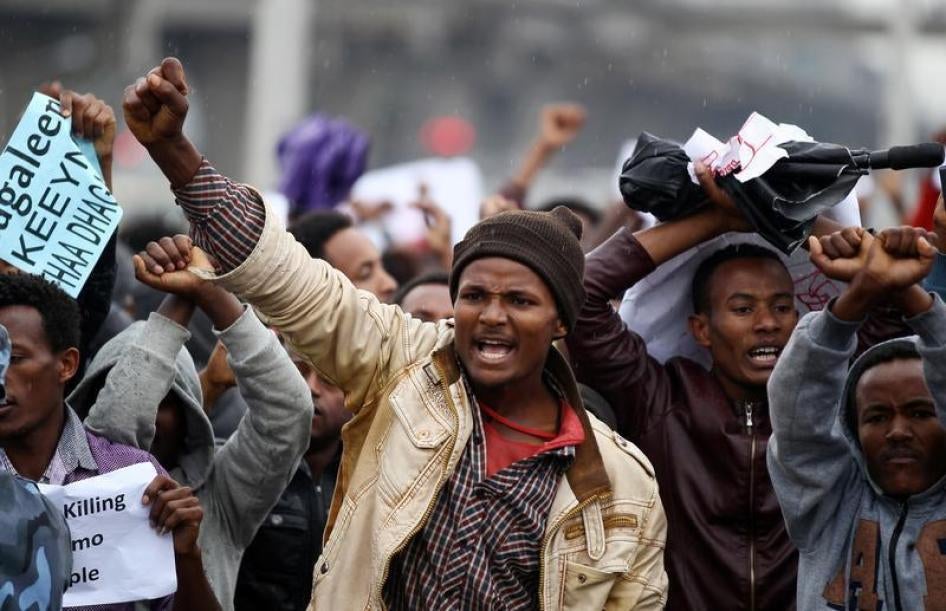
But Africa’s shift away from France is not just about efficiency. It reflects something deeper: a continent that is no longer willing to be managed from Paris. Across West Africa, public anger over perceived French interference has translated into the removal of troops, the downgrading of diplomatic ties and a search for new partners. Trade has followed politics.
For African countries, this moment presents both danger and opportunity. As France and other powers compete to retain or expand their footholds, African governments have leverage they did not have before. The risk is slipping into a new cycle of dependency, swapping one external patron for another. The opportunity is to rewrite the terms of engagement.
Becoming “selfish” about Africa’s future does not mean rejecting foreign investment. It means setting the rules. Too many African economies still export raw materials and import finished products, locking themselves into low-value roles in global supply chains. Cocoa leaves Ghana unprocessed. Copper leaves Zambia unrefined. Oil leaves Nigeria without being turned into fuel or plastics at scale. This is where power is lost.
France, like China and others, is chasing access to Africa’s resources, markets and labour. African governments can respond by insisting on local processing, joint ventures, technology transfer and skills development. Those conditions turn trade into development, rather than extraction.
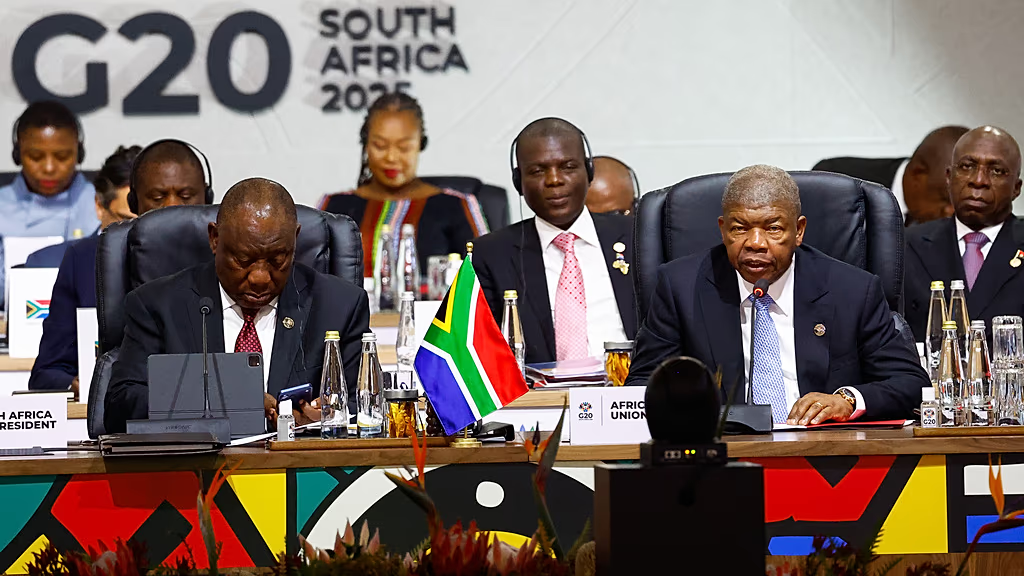
The African Continental Free Trade Area offers another layer of protection. A continent that trades more with itself is harder to strong-arm from outside. Integrated markets give African states more bargaining power when they sit across the table from France or any other partner.
France’s push to revive its African trade footprint is understandable. It is fighting for influence in a world that has moved on. But Africa is no longer obliged to play by old rules. The continent now has choices and with them, the responsibility to use its resources, markets and partnerships in ways that serve its own long-term interests first.
The real question is not whether France can claw back lost ground. It is whether African states will use this moment to claim what they should have owned all along: control over their economic future.