deshola
 Uganda’s presidential election, due on 15 January, is unfolding under a heavy cloud. A recent report by the United Nations human rights office has warned that the campaign period has been marked by intimidation, arrests and restrictions that risk undermining the credibility of the vote and deepening the country’s long-running political fault lines.
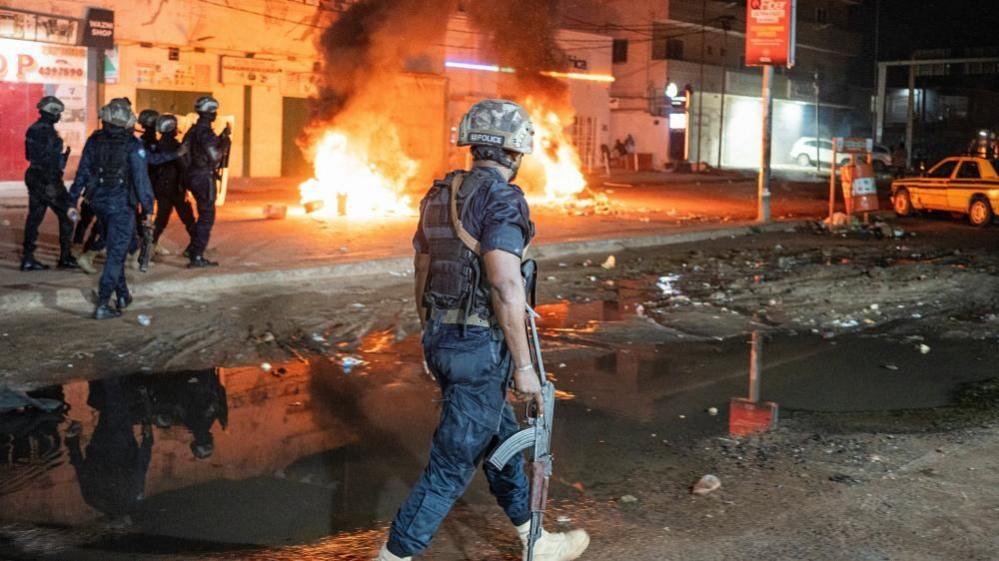
The report describes a political environment in which opposition figures, civil society groups and independent media have operated under sustained pressure. Security forces are accused of breaking up rallies, detaining activists and invoking a raft of recently amended laws to limit freedom of expression and assembly. For many Ugandans, these measures have become a familiar feature of election cycles, but their cumulative effect has been to narrow the space for genuine political competition.
President Yoweri Museveni, in power since 1986, is seeking another term, extending a tenure that has seen the gradual concentration of authority in the executive. Uganda has yet to experience a peaceful transfer of presidential power, a reality that continues to shape both domestic expectations and international concern. In this context, the conduct of the election carries weight beyond the ballot itself: it is a test of whether state institutions can command public trust.
The consequences of a disputed process would be felt most sharply at home. Elections perceived as unfair risk entrenching political apathy, particularly among young people who make up a majority of the population. They also carry economic costs. Prolonged political uncertainty can deter investment and strain relations with development partners at a time when Uganda is seeking growth and stability.
The UN’s intervention is not simply a critique; it points implicitly to steps that could still steady the process. Central among them is restraint by security agencies. Clear orders to avoid the use of excessive force against peaceful gatherings would go some way toward lowering tensions and reassuring voters that the state is not an extension of any one campaign.
Judicial independence is another fault line. Election-related cases involving opposition figures and activists have often moved slowly or been perceived as selective. Ensuring open, timely hearings and allowing courts to operate without political pressure would signal a commitment to the rule of law that extends beyond polling day.
Media access remains equally critical. Radio stations and journalists have faced closures and restrictions at key moments in the campaign. Allowing reporters to cover rallies, protests and voting without interference would help counter rumours and reduce the risk of misinformation filling the vacuum left by official silence.
There is also a role for regional actors. Credible election observation by bodies such as the African Union and the East African Community, with full access to the process, could provide an independent account of events and help defuse post-election disputes. Their presence would not replace domestic accountability, but it could reinforce it.
Uganda’s authorities insist that the country is acting within the law and maintaining order. Yet law and legitimacy are not always the same. A process that meets the minimum legal threshold but excludes large segments of the political spectrum risks weakening, rather than strengthening, the state.
As Ugandans prepare to vote, the challenge is no longer abstract. It is whether those in power are willing to ease their grip enough to allow a contest that citizens recognise as fair. The answer will shape not only the outcome of this election, but the direction of Uganda’s politics for years to come.