deshola
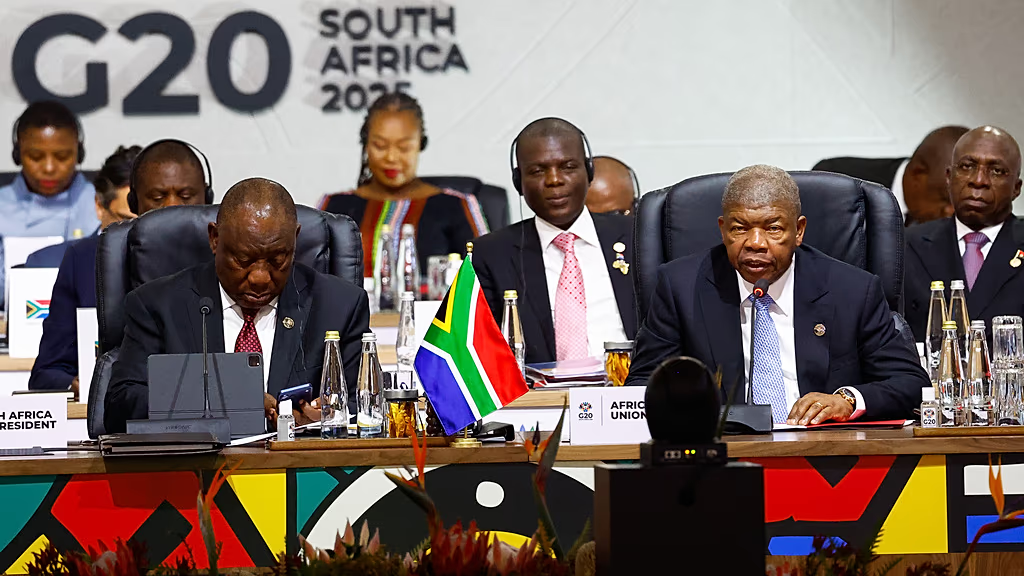
 Washington’s sharply worded accusation that South African authorities harassed and “doxxed” United States government personnel working in Pretoria has added a fresh layer of tension to an already strained relationship between the two capitals. The dispute crystallises deeper disagreements over diplomatic practice, immigration enforcement and competing narratives about governance in South Africa.
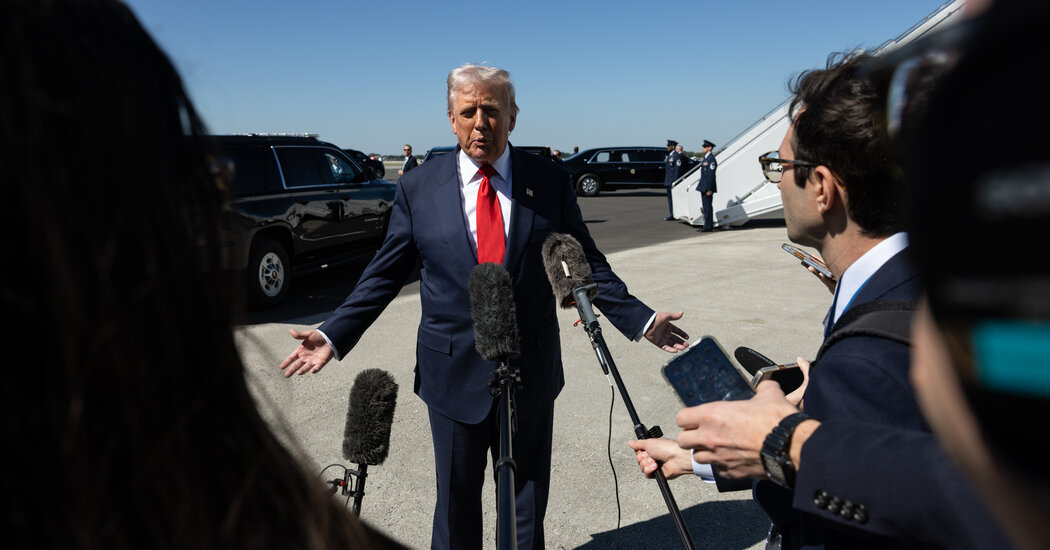
On 18 December, US Secretary of State Marco Rubio publicly condemned what he described as the “harassment” of US nationals in South Africa, alleging that passport details had been exposed and that American staff assisting a controversial relocation programme had been briefly detained during an immigration enforcement operation. Rubio warned that Pretoria’s failure to hold those responsible to account could lead to “severe consequences”.
The incident stems from a South African law enforcement action in Johannesburg, during which seven Kenyan nationals employed to process applications for a US programme assisting white Afrikaner relocations were arrested and ordered to be deported for working on tourist visas. South African officials argued that the individuals had violated domestic immigration laws, a position that underscores Pretoria’s assertion that its sovereign rules must be respected.
South Africa’s Department of International Relations and Cooperation rejected Washington’s framing. It emphasised that no US diplomats were arrested at any diplomatic site and questioned the legal basis for Washington’s characterisation of the incident, pointing to the irregular status of the foreign workers involved. Pretoria’s statement also noted that employing individuals without proper documentation raises legitimate questions about intent and diplomatic protocol.
The clash occurs against a backdrop of broader diplomatic friction. Relations between South Africa and the United States have been unraveling for more than a year, fuelled by contentious rhetoric from the US administration on South African domestic issues, including accusations widely dismissed in Johannesburg that white Afrikaners face systemic persecution. That narrative has gained traction in certain US policy circles, complicating bilateral engagement.
This latest episode has prompted concern among South African political figures and analysts that Washington’s approach reflects a pattern of pressure that could undermine the country’s sovereignty. African National Congress leaders, for example, have accused the US administration of attempting to isolate South Africa diplomatically and of disregarding Pretoria’s legal prerogatives.
For Pretoria, the deeper issue is not simply the handling of a visa breach but the integrity of diplomatic norms. South Africa’s position is that enforcing domestic law against undocumented workers, including those associated with foreign missions, is consistent with international practice and should not be construed as a hostile act. By framing routine immigration enforcement as harassment, South African officials argue, Washington risks setting a troubling precedent that could constrain sovereign states’ ability to uphold their own legal frameworks.
In Washington, the emphasis has been on perceived risks to US personnel and the optics of diplomatic intimidation. The accusation of exposing passport information, a sensitive matter in any bilateral relationship has been portrayed in US statements as an unacceptable breach that could jeopardise staff safety.
The dispute highlights broader questions for African-US relations at a time when both parties face complex strategic pressures. For South Africa, balancing domestic legal authority with the imperatives of international diplomacy is an ongoing challenge. For the United States, navigating criticism of another country’s internal affairs particularly through the lens of immigration and human rights carries its own diplomatic costs.
What transpires next will hinge on whether the two governments can step back from public recrimination and engage through established diplomatic channels. Without such engagement, this row over immigration enforcement and alleged harassment may deepen mistrust between Pretoria and Washington, complicating cooperation on wider issues ranging from trade to regional security.