deshola
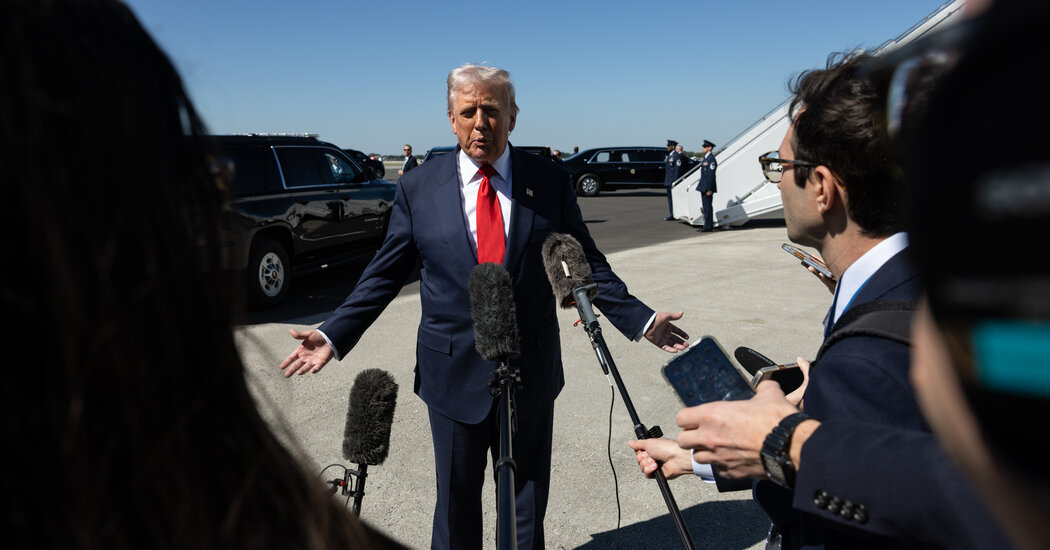
 The United States’ decision to launch military strikes on Venezuela on 3 January has reverberated far beyond the Americas, drawing sharp reactions that reveal a deeply divided international order. For many countries in Africa, Latin America and Asia, the episode has stirred familiar concerns about sovereignty, precedent and the uneven application of international law.
Major powers were quick to stake out opposing positions. China and Russia condemned the strikes as a violation of Venezuela’s sovereignty and warned that unilateral action risked further destabilising an already fragile global system. Their statements echoed a long-standing critique shared by many in the Global South: that military force is too often deployed without broad international consent, particularly when weaker states are involved.
Across Latin America, reactions were marked by caution rather than solidarity. Colombia, Mexico and Brazil rejected the use of force, insisting that Venezuela’s political crisis however severe cannot be resolved through external military intervention. European governments struck a similar note, urging de-escalation and a return to diplomacy, even as they acknowledged the depth of Venezuela’s governance failures.
A smaller group of governments, including Argentina and Ecuador, welcomed the removal of Nicolás Maduro, framing the strikes as a necessary response to authoritarian entrenchment. Yet even among those broadly sympathetic to Washington’s position, enthusiasm was tempered by concern over legal justification and long-term consequences.
From Caracas, the response was defiant. Venezuelan authorities denounced the strikes as aggression, declared a state of emergency and appealed to allies for support. Cuba accused Washington of reviving Cold War-era interventionism, while the United Nations secretary-general called for restraint, noting that the use of force without explicit Security Council authorisation raises serious legal and political questions.
For African observers, the episode resonates beyond Venezuela itself. Many states on the continent have experienced, or closely watched, the destabilising effects of externally driven regime change from Libya to the Sahel. The fear is not ideological alignment with Caracas, but the normalisation of force as a tool of political correction. Once such a precedent is set, few countries can be entirely comfortable with where the line is drawn.
The strikes have also reopened a broader debate about global governance. While Washington argues that Venezuela’s long-running political and economic collapse warranted decisive action, critics ask why similar standards are not applied consistently elsewhere. That question carries weight in regions where faith in multilateral institutions is already strained.
In practical terms, the immediate risks are regional. Further instability in Venezuela could worsen displacement and economic disruption across Latin America. Diplomatically, the operation has complicated efforts to build consensus on other global challenges, from security cooperation to economic recovery.
What is clear is that the strikes have not closed the Venezuelan chapter. Instead, they have widened an old argument about power, legitimacy and who gets to enforce global norms. For much of the developing world, the concern is less about the fate of one government than about the precedent being written and who might be next to feel its consequences.