deshola
 COTONOU, BENIN , In the wake of the failed military coup that shook the West African nation of Benin on Sunday, regional leaders and international partners are urging renewed efforts toward democratic resilience, political inclusivity and strengthened governance as the country prepares for presidential elections in April 2026.
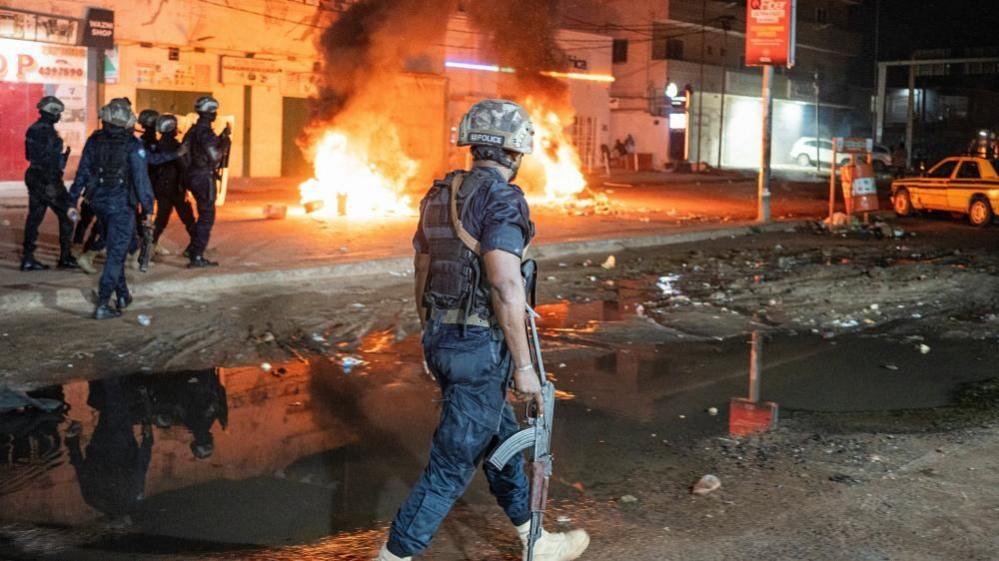
The brief coup, led by a group of soldiers identifying themselves as the Military Committee for Refoundation, seized state television early Sunday and claimed to have removed President Patrice Talon from office. Loyalist forces, backed by Nigerian military aircraft and ground forces along with support from the Economic Community of West African States (ECOWAS), regained control within hours. Several arrests were made and two senior officers held hostage were released, though the alleged ringleader remains at large.
A Wake-Up Call for Democratic Processes
Although Benin has been one of West Africa’s more stable democracies for two decades, analysts say the coup attempt exposes vulnerabilities in the country’s political dynamics, particularly with elections looming and rising civil discontent. Political observers note that inclusive governance and credible political competition may help address underlying frustrations that fuel anti-constitutional actions.
“Ensuring transparent elections and broad participation is vital to preserving democratic norms,” said a regional political analyst. “Security responses must be paired with political reforms that give all voices a stake in the future.”
Regional Solidarity and Security
ECOWAS swiftly condemned the coup as a “subversion” of constitutional order and deployed troops from member states including Nigeria, Ghana, Côte d’Ivoire and Sierra Leone to support Benin’s armed forces. This intervention combined with logistical and surveillance support from France underlined collective efforts to protect democracy in the face of rising instability across West Africa.
Nigeria’s Senate formally approved the deployment of troops after Benin requested assistance, emphasizing the shared risk that political collapse in one state could spark wider regional instability. “An injury to one is an injury to all,” the Senate leadership said, stressing the need to safeguard constitutional governance.
Calls for Structural Reforms
The failed coup highlights deeper challenges faced by Benin and the broader region including perceptions of political exclusion and the pressures of security threats such as jihadist violence in northern border areas. Experts argue that strengthening democratic institutions, promoting civic engagement, and addressing socioeconomic grievances will be as crucial as military counter-measures in preventing future upheavals.
Civil society groups and international partners are advocating for:
Transparent election processes that reinforce public trust ahead of the April 2026 vote.
Dialogue forums between government, opposition, youth and community leaders to address political frustrations nonviolently.
Security sector reforms that emphasize loyalty to constitutional norms and civilian oversight.
Regional diplomatic engagements that complement military preparedness with sustained political cooperation.
International Backing for Stability
In statements following the crisis, the United Nations reiterated its support for Benin’s constitutional order and called for respect for the rule of law, while ECOWAS officials have declared a heightened state of alert across the region to address similar threats.
“This moment is not just about security; it’s about advancing democratic resilience,” noted an ECOWAS representative. “Benin’s experience must strengthen our collective resolve to support constitutional governance everywhere in West Africa.”